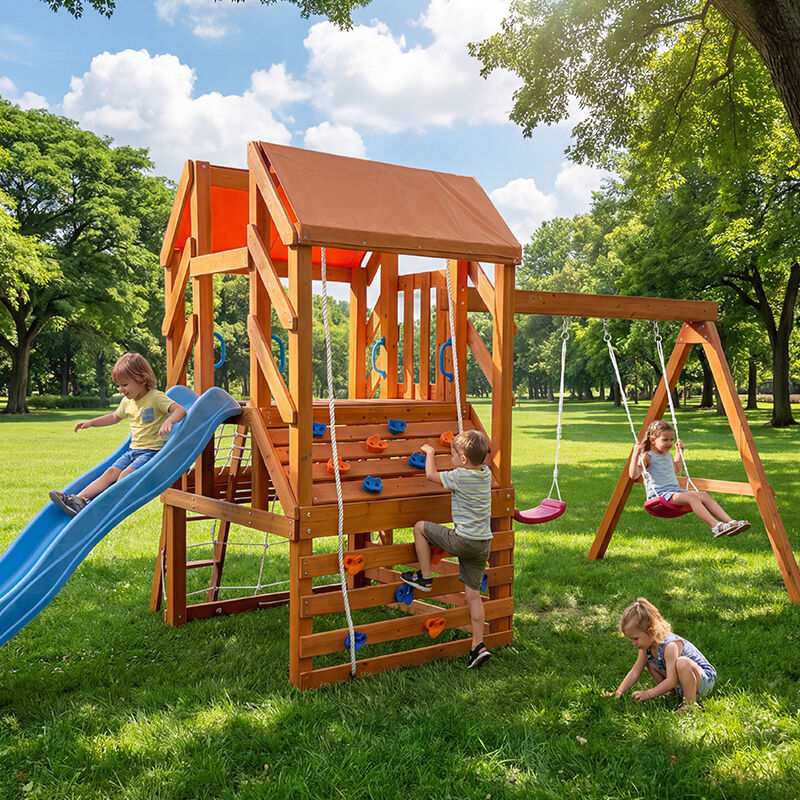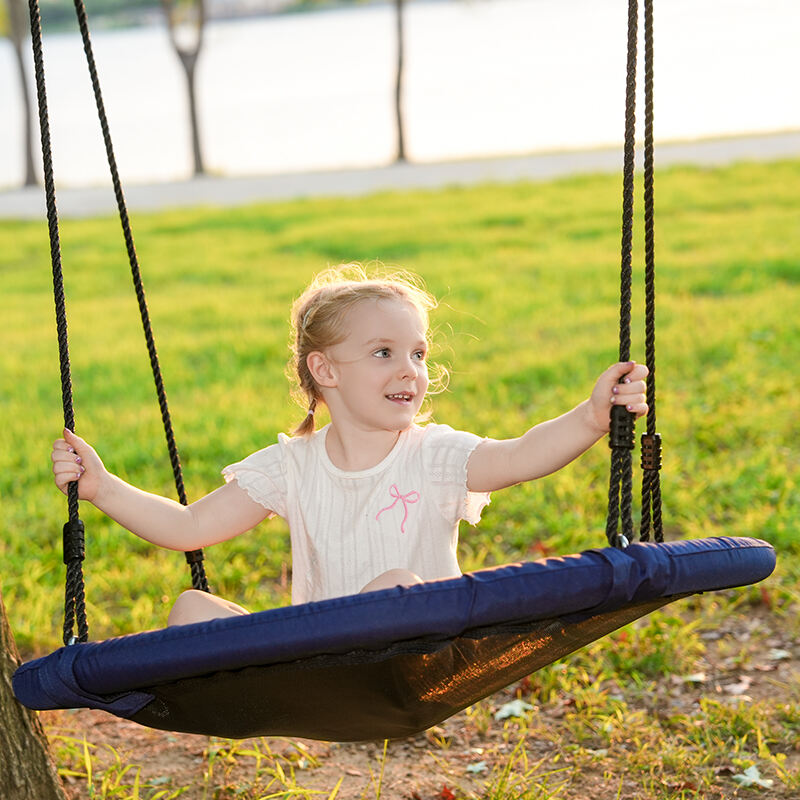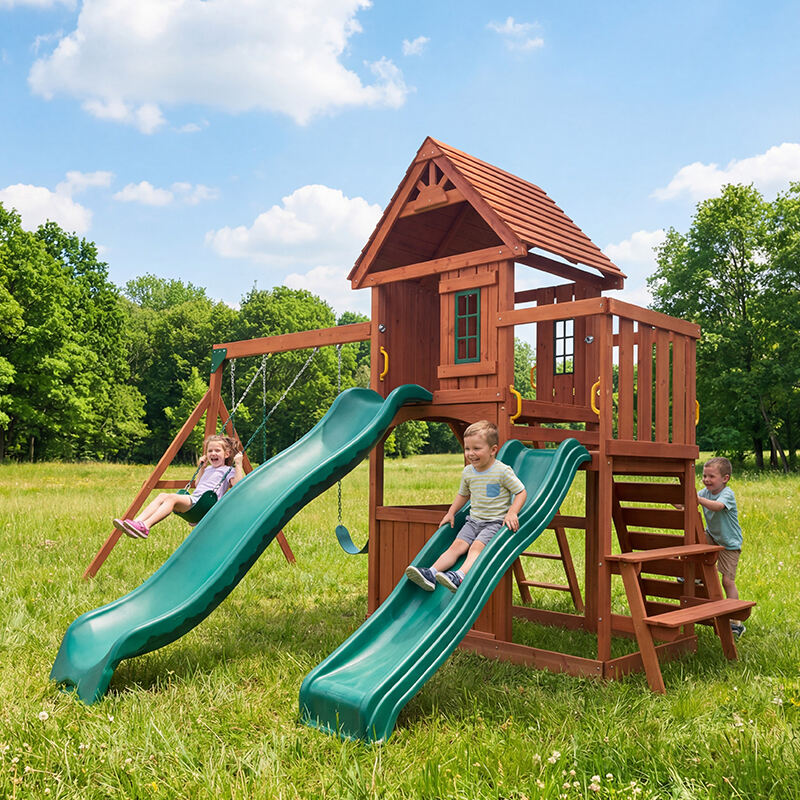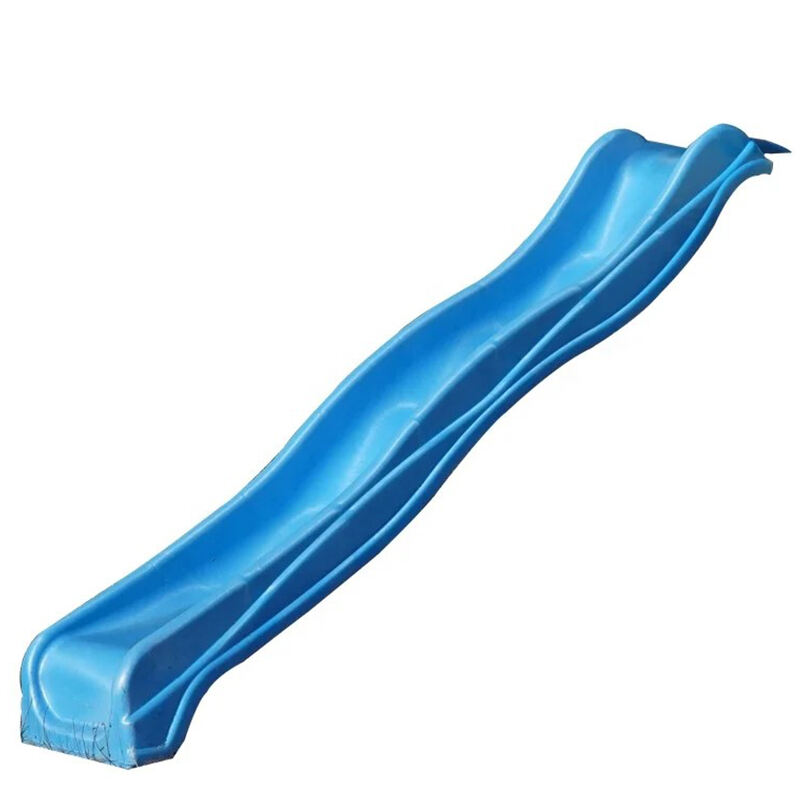
בחירת הציוד המתאים לשימוש חיצוני למשפחה דורשת שיקול מחוון של גורמים שעומדים הרבה מעבר להופעה הראשונית. מתקן תלתולים מעץ נבחר היטב הופך למרכז של זכרונות רבים מהילדות, תוך שהוא מספק שנים של בידור בטוח וفرص להתפתחות פיזית. הבנת האלמנטים המרכזיים המבדילים בין ציוד שטח משחקים איכותי לחלופות ממוצעות מאפשרת להורים ולמנהלי מתקנים לקבל החלטות מושכלות שנותנות עדיפות הן להנאה מיידית והן לערכה ארוכת הטווח.
תעשיית מגרשי המשחק הפנויים התפתחה בצורה משמעותית במהלך העשורים האחרונים, כאשר יצרנים פיתחו גישות מתקדמות יותר ויותר שמשלבות בין אמצעי ביטחון לבין חוויות משחק מרתקות. משפחות מודרניות דורשות ציוד המסוגל לעמוד בתנאי מזג אוויר קיצוניים, לעמוד בדרישות בטיחות חמורות, והתאמה לצרכים משתנים של ילדים מתבגרים. תהליך ההערכה המורחב הזה מבטיח שההשקעה שלכם תספק את התועלת המקסימלית לאורך מספר שנים של שימוש פעיל.
הבסיס של כל עמדת תנופת עץ יוצאת דופן נמצא בבחירתם והטיפול בחומרים הרגילים. ארז ורדםוד מייצגים את הסטנדרט הזהב לבניית מגרשי משחקים חוץ בשל ההתנגדות הטבעית שלהם לחרקים, רכיכה והרס קשור ללחות. עצי העץ הקשיחים המובחרים הללו מכילים שמנויות טבעיות וחומצות טאנינים שיוצרים מחסום פנימי מפני סיכונים סביבתיים, תוך שמירה על שלמות המבנית גם לאחר חשיפה ממושכת.
עץ מעובד לחץ מציעה אפשרות ישומה נוספת, במיוחד כששקולים תקציב משפיעים על תהליך הבחירה. תהליך העיבוד כולל דחיפה של חומרי שימור כימיים לתוך סיבי העץ בלחץ גבוה, ומייצר הגנה שמתרחבת לכל אורך הפריט כולו ולא רק מכוסה על פני השטח. עם זאת, חשוב לוודא שכל רכיבי עץ מעובדי לחץ עומדים בתקנים הנוכחיים של בטיחות בנוגע לתוכן הכימי, במיוחד ליישומים משפחתיים.
העובי והדרגה של העץ משפיעים ישירות על שולי הבטיחות ועל תוחלת הת_durability. יצרנים מובילים משתמשים בעץ ממדים שעולה על הדרישות המינימליות, ומספק עמידות נוספת הקבלה את עומסי ההפעלה הדינמיים הקיימים בסביבות מתחמי משחקים. גישה זהירה זו בעיצוב המבנה מבטיחה שהציוד ישמר פרמטרי פעולה בטוחים גם לאחר שנים של שימוש כבד על ידי מספר ילדים.
בניית מגלשות עליונה מסתמכת במידה רבה על מערכות חיבור ברמה מסחרית שמתנגדות לשחיקה ושומרות על חיבורים צמודים למרות רטט ותנועה מתמדים. ברגים מפלדת גלוון, ברגי קרוסיה וציוד מיוחד למגרשי משחקים יוצרים מפרקים מאובטחים שפועלים על הפצת מתח בצורה אחידה לאורך נקודות החיבור. חיבורים איכותיים אלו עולים הרבה יותר מאשר אלטרנטיבות סטנדרטיות לשיפור בית, אך מספקים שולי עמידות חיוניים הנדרשים לפעולציה בטוחה.
דפוס החיבור ושיטת עיצוב המפרקים שמשתמשים בה יצרנים חושפים תובנות חשובות בנוגע למחויבותם לביצועים ארוכי טווח. סטים מקצועיים לדراجות מתנדנדים כוללים נקודות חיבור מרובות ומיותרות במיקומים קריטיים של מתח, מה מבטיח שתקלה ברכיב בודד לא תפגע בשלמות המבנית הכוללת. גישה זו מדמה את התקנים הבינלאומיים לבניית מגרשי משחקים מסחריים, המותאמים ליישומים פרטיים.
הכרת הנוף הרגולטורי ששולט בציוד מתקני משחקים עוזרת להורים לנווט בין המערך המורכב של האפשרויות הזמינות, תוך וידוא עמידה בפרוטוקולי בטיחות מוסכמים. ועדת הבטיחות של מוצרי הצרכן מספקת הנחיות מקיפות שכוללות הכל, מהדרישות המבניות ועד לדרישות ריווח שנועדו למנוע סיכוני תקיעות. ציוד הנושא אישורי תאימות של CPSC מדגים את מחויבות היצרן לעמוד בדרישות הבטיחות הבסיסיות או לחרוג מהן.
תקני בטיחות בינלאומיים, כולל אישורי ASTM ו-EN, מספקים ודאות נוספת בנוגע לאיכות העיצוב ולדייקנות בבדיקות. תקנים אלו כוללים مواصفات מפורטות לאזורים נופלים, עומסי מבנה, דרישות חומרה ורכיבי עיצוב המתאימים לגיל. סט נדנדות מעץ יצרנים המבקשים את האישורים הללו משקיעים משאבים משמעותיים בתהליכי בדיקה ובקרת איכות שמועילים למשתמשים הסופיים על ידי שיפור שולי הבטיחות.
תכניות בדיקה ואישור צד ג' מספקות אימות עצמאי של טענות היצרן בנוגע לביצועי הבטיחות ולאפיוני העמידות. התכניות כוללות בחינה של דוגמי ציוד באמצעות מבחני זקנה מאוצלים, הערכות עומס מבניים והערכות בטיחות מקיפות שנעשות על ידי מעבדות בדיקה מוסמכות. האישורים שמתקבלים מהווים ראיית עובדתית לאיכות הציוד שמעבר לטענות שיווקיות וחומרי דרישה.
שילוב מושכל של תכונות בטיחות מבדיל בין ציוד מגרש מקצועי לאיכות לבין חלופות בסיסיות שמקיימות רק דרישות מינימום. קצוות עגולים, משטחים חלקים והסרת נקודות לחיצה לאורך המבנה מצמצמים סיכוני פגיעה הקשורים בפעילויות משחק רגילות. שיפורים אלו דורשים שלבים נוספים בייצור אך משפרים באופן משמעותי את פרופיל הבטיחות של המוצר הסופי.
ריווח תקין בין רכיבים מונע סיכוני תקיעות, תוך שמירה על ערך משחק מעורר. מעצבים מקצועיים מחשבים במדויק את דרישות הריווח בהתאם לקבוצות המשתמשים הצפויות ודפוסי המשחק, ומבטיחים ריווח מספיק לתנועה בטוחה בין אזורי פעילות שונים. גישה שיטתית זו לתכנון מרחבי יוצרת דפוסי תנועה אינטואיטיביים שמפחיתים את סיכוני התנגשויות במהלך משחקים קבוצתיים.
תכנון אזור נפילה מהווה שיקול ביטחוני חשוב נוסף המשפיע גם על בחירת הציוד וגם על תכנון ההתקנה. הבנת ממדי אזור הנפילה הנדרשים לגבהי תנופה וסוגי פעילות שונים מבטיחה הקצאת מרחב מספקת במהלך подготовк הקרקע. רבים מייצרי ציוד מצטיינים בהנחיות התקנה מפורטות הכוללות חישובי אזור נפילה מקיפים וחומרים מומלצים למשטח לצורך בלימת מ удар אופטימלית.
עמידות ארוכת טווח תלויה מאוד במערכות הגנה סביבתיות מקיפות שפונות למספר מנגנוני התדרדרות בו-זמנית. חשיפה לקרינה על-סגולית מייצגת אחת האמירות החשובות ביותר לציוד לשימוש בחוץ, וגורמת להרס פנים, עמעום צבעים והחלשה הדרגתית של תכונות החומר. גמרינאל איכותיים כוללים מעכבי UV ומייצבנים שמונעים את שלמות הפנים לאורך שנים של חשיפה ישירה לאור השמש.
מערכות ניהול לחות מונעות חדירת מים שמובילה לעקצוש, עיוות וקורוזיה של מתכות ברכיבים מבניים. עיצובי סטים איכותיים של תחביבונים עץ כוללים תכונות ניקוז, חיבורים אטומים וחיפוי מגן שדוחים מים בצורה יעילה תוך מתן אפשרות לתנועה טבעית של העץ במהלך שינויים עונתיים ברמת הרطיבות. מערכות הגנה משולבות אלו מאריכות משמעותית את חיי השירות ומפחיתות דרישות תחזוקה.
שינויי טמפרטורה יוצרים אתגר סביבתי נוסף המשפיע על רכיבי עץ וметל באמצעות מתחים הנובעים מהתפשטות וכיווץ. בנייה איכותית לוקחת בחשבון תנועות אלו באמצעות עיצוב חיבורים נאות ובחר בחיבורים המתאימים להתרחבות תרמית ללא התנתקות או נעילה. גישה מהנדסת זו מונעת כשלים מוקדמים הקשורים הצטברות מתח תרמי.
הכרת דרישות התפעול והתחזוקה הקשורים באפשרויות מגלשייה שונות מאפשרת תכנון עלות ארוכת טווח מציאותי ועוזרת להקים נהלי טיפול מתאימים. עצי ארז ואלון אדום אינם צריכים טיפול כימי מינימלי באופן טבעי, אך הם מרוויחים מניקיון תורן וסיגול חוזר להצגה ולשמירת תכונות הביצועים. פעילויות תחזוקה אלו דורשות בדרך כלל תשומת לב שנתית או דו- שנתית בהתאם לתנאי האקלים המקומיים.
תחזוקת עץ משובח בכימיקלים מעורבת שיקולים שונים, כולל הצורך האפשרי בשינוי צבע חוזר או סגירה כדי לשמור על רמות ההגנה. עם זאת, הטיפול הכימי מספק הגנה מוגדלת נגד פגיעה בריאה ופגיעת חרקים שעלולה לפצות על דרישות התחזוקה הנוספות בסביבות מסוימות. הערכת דפוסי האקלים המקומיים ותנאי החשיפה עוזרת לקבוע את בחירת החומר המתאימה ביותר ליישומים מסוימים.
בדיקת חומרה ותחזוקה מייצגים אחריות מתמשכת קריטית, ללא תלות ברמת האיכות הראשונית של הרכיבים. אטימה סדירה של ברגים וחיבורים מונעת התקררות שיכולה לפגוע בשלמות המבנית או ליצור סכנות לבטיחות. הקמת שגרת בדיקה שיטתית שפונה לכל נקודות החיבור מבטיחה זיהוי מוקדם של בעיות פוטנציאליות לפני שהן הופכות לבעיות חמורות.
התקנה נכונה מהוות את הבסיס לפעולת בטיחות ועמידות ארוכת טווח של כל ציוד מתקני משחקים. דרישות הכנת האתר משתנות בצורה משמעותית בהתאם לתנאי קרקע, דפוסי ניקוז ותקנות בניין מקומיות שעלולות לשלוט בהתקנת מבנים קבועים. הבנת הדרישות האלה לפני בחירת הציוד עוזרת להימנע משינויים יקרים או עיכובים בתהליך ההתקנה.
מערכות עיגון חייבות לספק התנגדות מספקת לכוחות היפוך שנוצרים בשימוש רגיל, תוך התחשבות בתזוזת קרקע ושינויים עונתיים. סוגי קרקע שונים דורשים גישות עיגון מיוחדות, החל ממופעי בטון להתקנות קבועות ועד מערכות עיגון אדמה לשימוש חצי נייד. שירותי התקנה מקצועיים כוללים בדרך כלל הערכת אתר ובחר מערכת עיגון מתאימה בהתאם לתנאים המקומיים.
שקולים של ניקוז משפיעים הן על הצלחת ההתקנה המיידית והן על הביצועים ארוכי הטווח. ניקוז לקוי גורם להצטברות מים סביב יסודות הציוד, מה שמזרז תהליכי פגיעה ומייצר תנאים בוציים שמקטינים את השימושיות. דירוג ותכנון ניקוז נאותים בשלב הכנת האתר מונעים בעיות אלו ומבטיחים תנאי גידול אופטימליים לאלמנטים נוי שבסביבה.
חומרי משטח נפילה מהווים תפקיד חשוב במניעת פגיעות, וכמו כן משפיעים על דרישות התשתית ועל העלות לטווח הארוך. סיבי עץ מהנדסים מהווים אחת האפשרויות הפופולריות ביותר בזכות המראה הטבעי, העלות הסבירה והtraits בלתי מתאימות של ספיגת מכה מצוינת כאשר הם תואמים לשמירה נכונה. עם זאת, חומר זה דורש מילוי מחודש וتسويית פני השטח באופן מחזורי כדי לשמור על ביצועי בטיחות אופטימליים.
קומפוסט גומי מציע עמידות גבוהה ודרישות שיפוץ נמוכות בהשוואה לחלופות אורגניות, אם כי העלות הראשונית בדרך כלל גבוהה יותר מאפשרויות סיבי עץ. החומר הסינטטי עמיד בפירוק ובחדירת טפילים, ומספק תכונות ספיגת מכה עקביות לאורך תקופות שירות ארוכות. יתרונות אלו מוצדקים לעתים קרובות את ההשקעה הראשונית הנוספת למשפחות שמעדיפות פתרונות בני שיפוץ מינימלי.
משטחים רטובים מותכים במקום מייצגים את האפשרות המתקדמת ביותר להגנה מפני נפילה, ומציעים כיסוי חסר הצלבות ומראה מקצועי המתאים להתקנות ערכיות של סטים לגינון. אם כי הם יקרים בהרבה מאלטרנטיבות שמסתמכות על חומר פיזור, משטחים אלו מספקים עמידות לא מתחרית והתאמה לדרישות נגישות לגישות שאינן מצריכות מחסום. מורכבות ההתקנה דורשת לרוב קבלנים מקצועיים בעלי ניסיון במערכות משטח מיוחדות.
בחירת ציוד המתפתח יחד עם הילדים מקסימה את הערך לאורך זמן תוך שמירה על מעורבות בשלבים פסיכולוגיים שונים. עיצובים מודולריים של סטים לגינון מאפשרים הוספת רכיבים ושינויים המרחיבים את אפשרויות המשחק ככל שהתפתחו מיומנויות ותחומי העניין של הילדים. גמישות זו מונעת את הצורך בהחלפה מלאה של הציוד כאשר המשפחות מתרחבות ומתפתחות.
תכונות ניתנות לכוונון לגובה מאפשרות התאמה לקבוצות גיל שונות בצורה בטוחה, תוך שמירה על רמות אתגר מתאימות לפיתוח כישורי תנועה. שרשרות תנופות עם מספר עמדות כיוון מאפשרות להורים להתאים את הציוד למשתמשים ספציפיים, תוך וידוא של רווח קרקעי ומספיקה לבטיחות. תכונות הניתנות לכוונון מרחיבות באופן משמעותי את טווח הגילאים האפקטיבי של הציוד בהשוואה לחלופות עם תצורה קבועה.
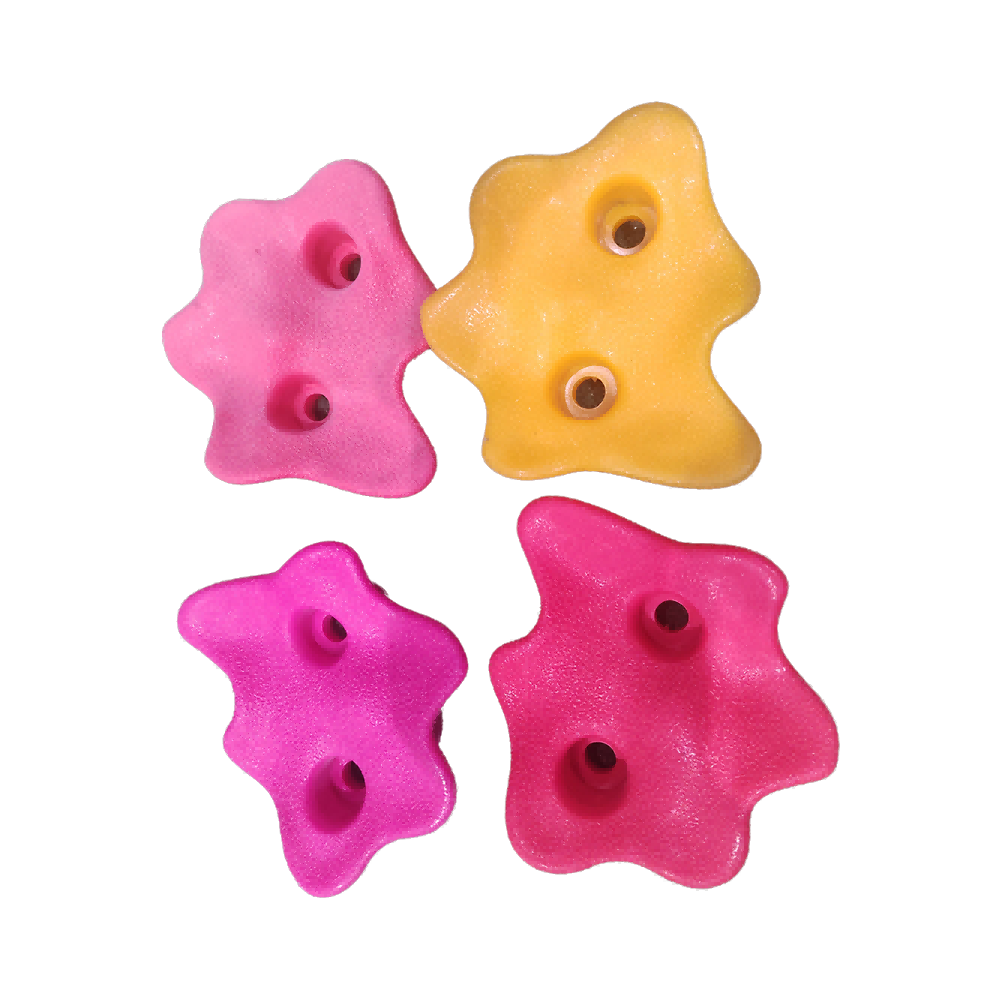
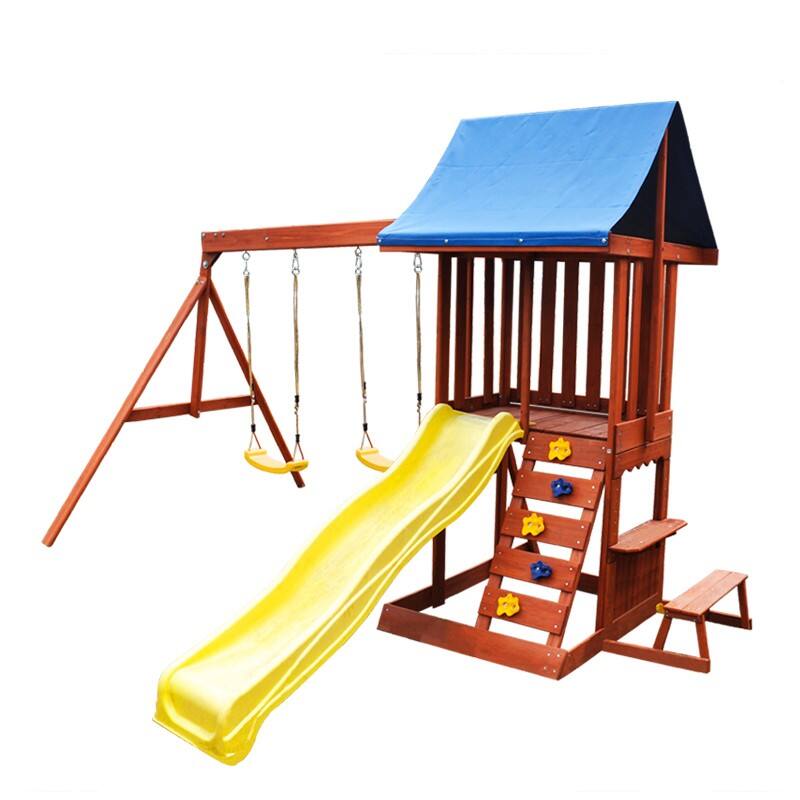
שילוב של פעילויות מרובות יוצר סביבת משחק מעוררת עניין המעודדת פעילויות גופניות מגוונות ואינטראקציה חברתית. סטים איכותיים של תנופות כוללים אלמנטים לטיפוס, רכיבי החלקה ותכונות משחק יצירתיות שפונות לעניינים ולרמות כישרון שונות. גישה מקיפה זו לערך המשחק מבטיחה ממשיכה של מעורבות לאורך פרקי זמן ארוכים, ובמקביל תומכת בפיתוח גופני בריא.
ההבנה של אפשרויות ההטמעה הזמינות מאפשרת למשפחות ליצור סביבות משחק ייחודיות שמותאמות לצרכים והעדפות ספציפיות. יצרנים רבים מציעים קטלוגים מורחבים של אביזרים הכוללים תליות מיוחדות, אביזרי טיפוס ורכיבי משחק יצירתיים המרחיבים את הפונקציונליות הבסיסית של עמדות התליה. אפשרויות אלו מאפשרות הרחבה הדרגתית של יכולות המשחק לאורך זמן, בהתאם לשינויים בתשומות והצרכים.
אפשרויות התאמה אישית של צבעים וגימור מאפשרות שילוב עם עיצוב נוף קיים תוך ביטוי העדפות סגנון אישיות. חלק מהיצרנים מציעים מגוון צבעי צביעה ואפשרויות גימור המשלימות סגנונות אדריכליים שונים ונושאי עיצוב חיצוניים שונים. שיקולים אסתטיים אלה הופכים לחשובים במיוחד עבור התקנות פרימיום שבהן ציוד משמש כנקודת מוקד בתוך חללים חיצוניים מעוצבים בקפידה.
שירותי ייעוץ עיצוב מקצועיים עוזרים לדייק את בחירת הציוד וההגדרה עבור תנאים ספציפיים של האתר ודרישות המשפחות. מעצבים מנוסים של מגרשי משחקים מבינים את האינטראקציה המורכבת בין דרישות בטיחות, אילוצי שטח ואופטימיזציה של ערך המשחק, אשר משפיעה על החלטות בבחירת ציוד. מומחיות זו נמצאת כמיוחדת חשובה להתקנות מאתגרות או תנאיה ייחודיים של אתר הדורשים פתרונות יצירתיים.
לרוב ערכות תחביבים עץ מתאימות לילדים מגיל 18 חודשים עד 12 שנים, אם כי טווחי גילאים ספציפיים תלויים באختيار הרכיבים ובאפשרויות הkonfiguratsiya. תכונות שנועדו במיוחד לגוססים, כמו מטאות דלי וגובה פלטפורמה נמוך, מאריכות את השימושיות גם לילדות צעירים מאוד, בעוד אלמנטים של טיפוס מאתגרים ומטאות בגובה רב יותר מעוררים את עניינם של ילדים מבוגרים. יש תמיד לבדוק את המלצות היצרן בנוגע לגילאים המתאימים, ולדאוג לניטור של מבוגר עבור ילדים מחוץ לטווחי הגילאים שצוינו, כדי לשמור על תנאים בטוחים לשעשוע.
ערכות תנועה עץ פרימיום, ש chếו מסדר או מעץ אדום, מספקות בדרך כלל 15-20 שנים של חיי שירות בטוחים בתנאי שימוש דירות רגילות, בהינתן תחזוקה מתאימה. התקנות מעץ חומץ לחץ עשויים להגיע לתקופת שירות של 10–15 שנה, בהתאם לתנאי האקלים המקומיים ולעקביות התחזוקה. בדיקת ציוד קבועה, שיפוץ פני השטח כל 2–3 שנים, ותיקון מיהר של בעיות קטנות מאריכות משמעותית את חיי המכשיר תוך שמירה על סטנדרטי הבטיחות.
חפשו ציוד שעומד או עוקף את ההנחיות של CPSC ומכיל אישור ASTM F1487 לתקני בטיחות בציוד מתחמי משחקים.אישורים נוספים מאירגונים כמו IPEMA (האיגוד הבינלאומי יצרני ציוד משחקים) מספקים אימות צד ג' של התאמת בטיחות ותקני איכות. אישורים אלו מבטיחים שהציוד עבר בדיקות קפדניות מבחינת יציבות מבנית, ריווחי בטיחות, ומאפייני עיצוב המתאימים לגיל, אשר מקטינים את סיכוני פגיעות במהלך פעילויות משחק רגילות.
למרות שקבוצות תחביב רבים כוללות הוראות התקנה מפורטות להרכבה עצמאית, התקנה מקצועית מבטיחה הכנת אתר מתאימה, הרכבה מדויקת ועיגון נכון לתנאי קרקע מקומיים. התקנות מורכבות הכוללות עמודי יסוד מצלקות, שיפוע משמעותי או חומרי משטח מיוחדים דורשות לרובקבלנים מקצועיים עם ניסיון רלוונטי. התקנה מקצועית כוללת גם בדיקות בטיחות ומספקת לעתים קרובות כיסוי אחריות המגן על ההשקעה שלך ומבטיח ביצועי בטיחות אופטימליים מההתחלה.
 חדשות חמות
2026-02-25
2026-02-19
2026-02-13
2026-02-07
2026-02-01
2026-01-29
PAFIC PLAY היא ספקית מובילה ואמינה של מתקני משחק, מתקני נדנוד וציוד כושר חיצוני לילדים ברחבי העולם. אנו מספקים פתרונות מתקנים מותאמים אישית במתכונת OEM ו-ODM לבתי ספר, קהילות ומרחבים רkreטיביים.
1, רחוב PAFIC דרייב, אזור התעשייה ג'יאוביי, ג'יאוז'ואו, צ'ינגדאו, סין
כל הזכויות שמורות © 2026 China Qingdao Pafic Hardware Co., Ltd. מדיניותICY