Pafic is approaching perfect

safety tips every parent should know about backyard playground sets-3

Blog

Home >  NEWS >  Blog

Safety Tips Every Parent Should Know About Backyard Playground Sets

Feb 01, 2026

Creating a safe outdoor play environment for children requires careful consideration of many factors, especially when installing backyard playground sets. Parents who invest in these recreational structures must prioritize safety measures to ensure their children can enjoy hours of fun without unnecessary risks. Understanding the essential safety protocols and maintenance requirements will help families maximize both enjoyment and protection in their outdoor spaces.

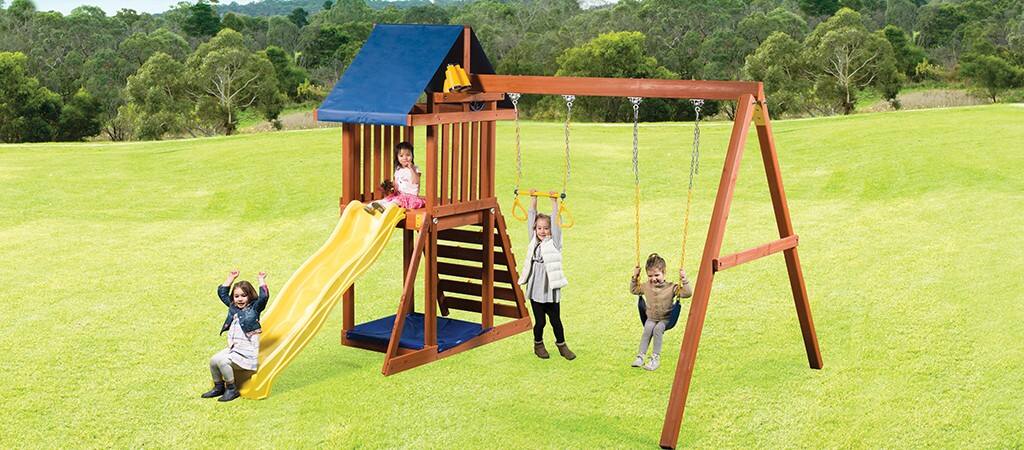
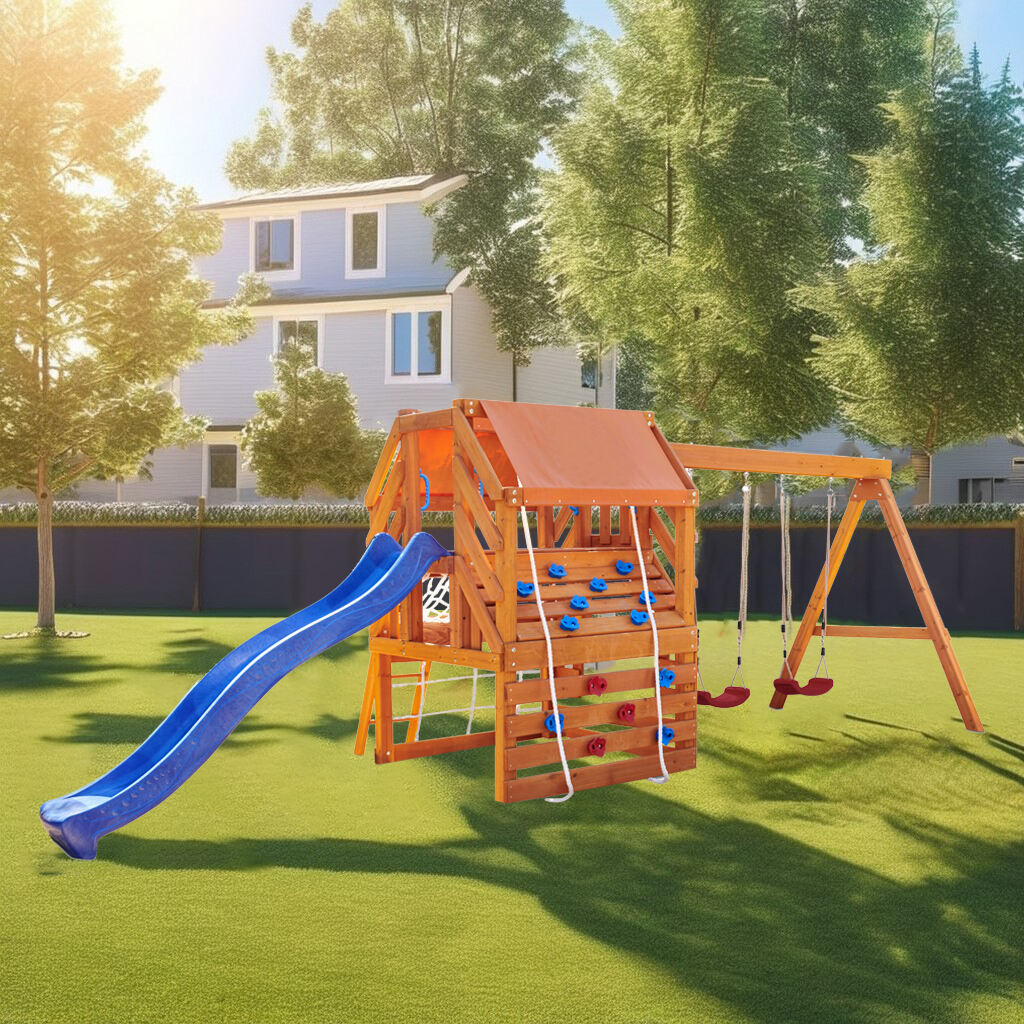
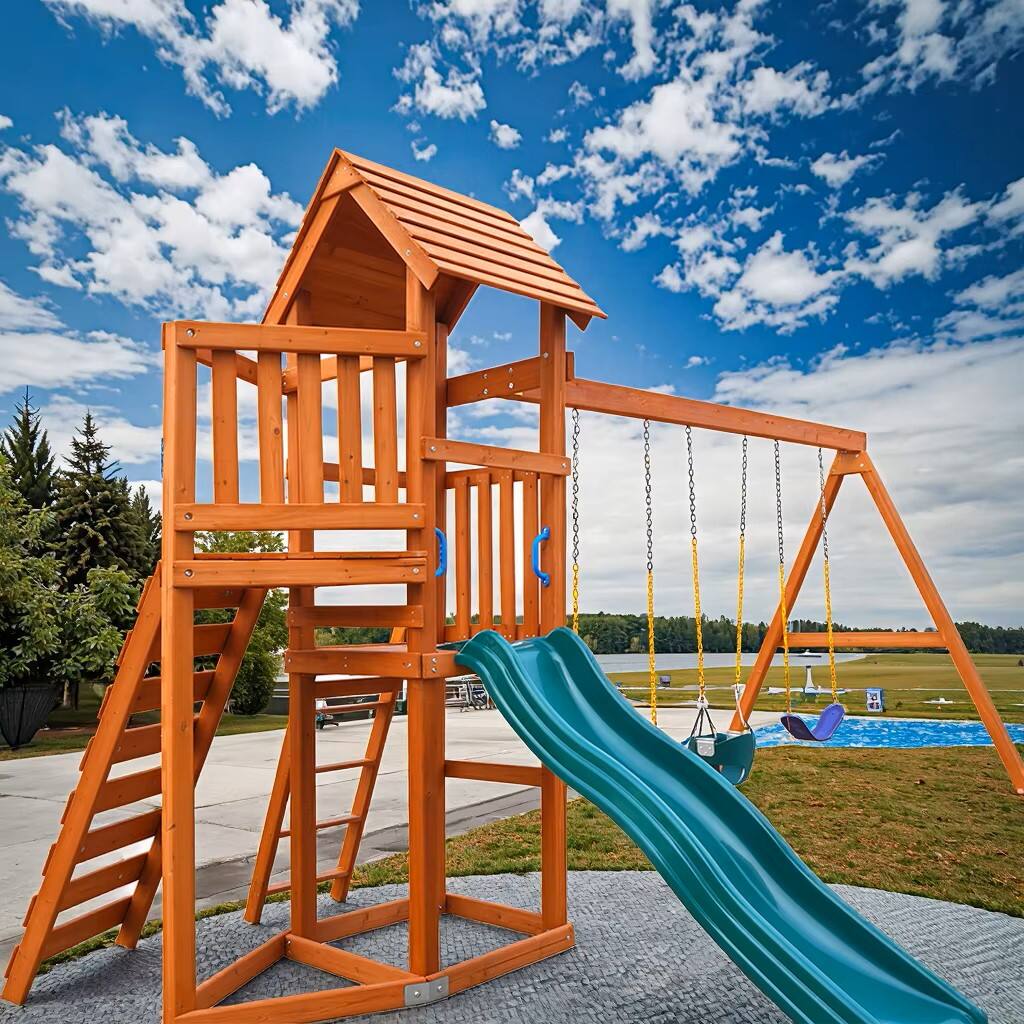
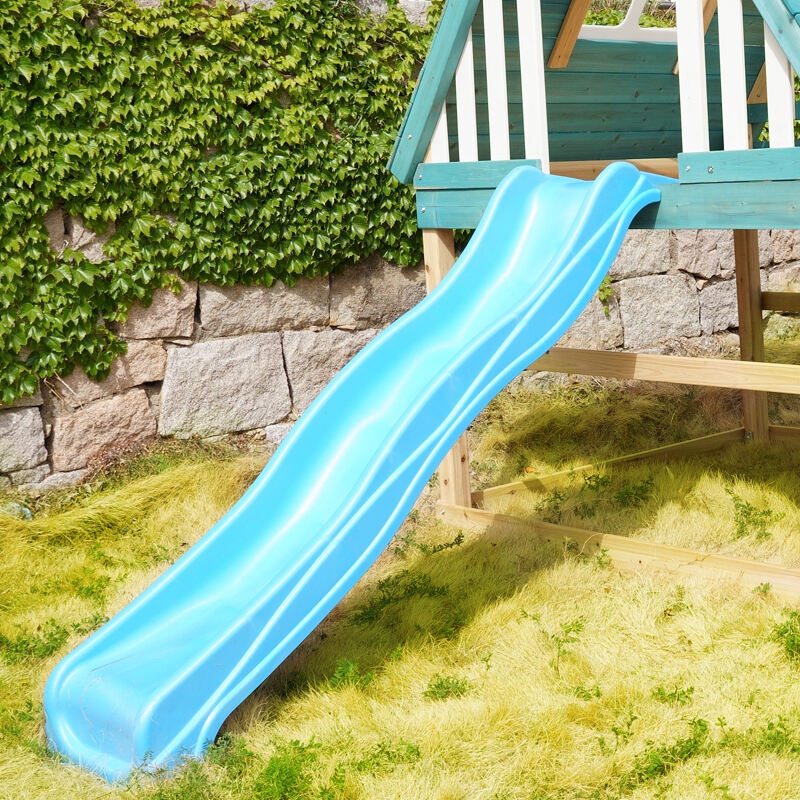
backyard playground sets

Essential Pre-Installation Safety Considerations

Site Selection and Ground Preparation

Proper site selection forms the foundation of playground safety for backyard playground sets. The chosen location should provide adequate clearance on all sides, with at least six feet of open space around swings and twelve feet in front and back of swing paths. Level ground ensures structural stability and reduces the risk of equipment tipping or uneven wear patterns that could compromise safety over time.

Ground surface preparation plays a crucial role in injury prevention when children fall or jump from playground equipment. Installing appropriate impact-absorbing materials such as rubber mulch, engineered wood fiber, or poured-in-place rubber surfacing can significantly reduce the severity of fall-related injuries. These materials should extend at least six feet beyond the equipment perimeter and maintain proper depth according to manufacturer specifications.

Equipment Spacing and Layout Planning

Strategic placement of different playground components within backyard playground sets prevents overcrowding and reduces collision risks between children using various equipment simultaneously. Swings should be positioned away from other play structures to prevent children from accidentally running into swing paths. Slides require clear landing zones without obstacles that could cause additional injuries during dismount.

Consider sight lines from your home when planning the layout of backyard playground sets to ensure adequate supervision capabilities. Parents should maintain visual contact with playing children from multiple indoor locations, particularly kitchen and family room windows. This positioning allows for quick intervention when necessary while enabling children to develop independence during outdoor play sessions.

Age-Appropriate Equipment Selection

Understanding Developmental Safety Requirements

Different age groups require specific safety considerations when selecting components for backyard playground sets. Toddlers aged two to five need lower structures with closer handholds, wider platforms, and shorter slide lengths to accommodate their developing motor skills and coordination abilities. Equipment designed for this age group should eliminate entrapment hazards and sharp edges that could cause injuries during typical play activities.

School-age children can safely use more challenging equipment within backyard playground sets, including higher climbing structures, longer slides, and more complex overhead ladder systems. However, these advanced features require careful evaluation of individual child capabilities rather than relying solely on chronological age recommendations. Physical development varies significantly among children, making parental assessment essential for determining appropriate challenge levels.

Mixed-Age Play Considerations

Families with children of varying ages face unique challenges when selecting backyard playground sets that accommodate everyone safely. Separating age-appropriate zones within the same structure or choosing modular systems that allow for component additions over time can address these concerns effectively. This approach prevents older children from accidentally injuring younger siblings during more aggressive play styles.

Establishing clear usage rules for mixed-age families helps maintain safety standards across all components of backyard playground sets. Designated play times for different age groups or specific equipment restrictions can prevent conflicts while ensuring each child enjoys age-appropriate challenges. Regular family discussions about playground etiquette reinforce these safety protocols and promote responsible play behaviors.

Regular Maintenance and Inspection Protocols

Monthly Safety Inspections

Implementing systematic monthly inspections of backyard playground sets helps identify potential safety hazards before they result in injuries. Check all hardware connections for looseness, paying particular attention to swing hangers, slide attachments, and climbing holds that experience high stress during normal use. Tighten any loose bolts or screws immediately, and replace worn hardware with manufacturer-approved components to maintain structural integrity.

Wood components in backyard playground sets require careful examination for splinters, cracks, or rot that could pose injury risks. Sand rough surfaces immediately and apply weather-resistant stains or sealers annually to protect against moisture damage. Metal components should be inspected for rust, sharp edges, or coating deterioration that might create hazardous conditions during play activities.

Seasonal Maintenance Requirements

Weather exposure affects different materials used in backyard playground sets differently throughout seasonal cycles. Spring inspections should focus on winter damage assessment, including freeze-thaw effects on hardware connections and moisture damage to wooden components. Remove any debris accumulated in equipment crevices and clean all surfaces thoroughly to prepare for increased usage during warmer months.

Fall maintenance for backyard playground sets involves preparing equipment for winter weather conditions in climates with significant seasonal variations. Remove swing seats and chains if necessary to prevent ice accumulation, and ensure proper drainage around equipment foundations to prevent frost heaving. Cover sandbox areas to prevent contamination from animal waste and falling debris during winter months.

Supervision and Safety Rule Implementation

Active Supervision Strategies

Effective supervision of children using backyard playground sets requires understanding the balance between safety oversight and encouraging independence. Parents should position themselves to maintain visual contact while avoiding hovering behaviors that inhibit natural risk assessment development in children. This approach allows immediate intervention capability while fostering confidence and decision-making skills during play activities.

Teaching children to recognize and communicate potential hazards they observe in backyard playground sets creates additional safety layers beyond adult supervision. Encourage children to report loose equipment, broken components, or unsafe conditions they notice during play sessions. This collaborative approach to safety develops responsibility awareness and creates multiple observation points for hazard identification.

Weather-Related Safety Protocols

Weather conditions significantly impact the safety of backyard playground sets and require dynamic safety rule adjustments. Metal components become dangerously hot during summer months and can cause burns upon contact. Establish temperature guidelines and testing protocols before allowing children to use equipment during extreme heat conditions, and consider shade structures to reduce surface temperatures.

Wet conditions create slippery surfaces on backyard playground sets that increase fall risks and injury severity. Implement clear policies regarding equipment use after rain or during morning dew conditions, and teach children to recognize when surfaces are too slippery for safe play. Regular cleaning of equipment surfaces helps maintain traction and prevents algae or mold growth that could create additional slip hazards.

Emergency Preparedness and First Aid

Emergency Response Planning

Developing comprehensive emergency response plans for incidents involving backyard playground sets ensures quick and appropriate reactions to injuries or accidents. Maintain easily accessible first aid supplies near play areas, including basic wound care materials, ice packs, and emergency contact information. Practice emergency procedures with all family members to ensure everyone understands their roles during crisis situations.

Establish clear communication protocols for emergencies involving backyard playground sets, including when to contact emergency services versus handling minor injuries with basic first aid. Create emergency contact lists that include pediatricians, poison control centers, and nearby hospital information. Regular review and updating of these protocols ensures continued effectiveness as children grow and family situations change.

Common Injury Prevention

Understanding typical injury patterns associated with backyard playground sets helps parents implement targeted prevention strategies. Falls represent the most common playground injury, making proper surfacing materials and equipment height considerations critical safety factors. Teach children proper dismounting techniques and establish rules about jumping from equipment to reduce fall-related injuries.

Entrapment injuries occur when children become stuck in equipment openings or between components of backyard playground sets. Regular inspection of guardrail spacing, chain connections, and structural gaps helps identify potential entrapment hazards before accidents occur. Educate children about recognizing and avoiding situations that could lead to entrapment incidents during normal play activities.

FAQ

How often should I inspect my backyard playground sets for safety issues

Monthly detailed inspections are recommended for backyard playground sets, with weekly visual checks during periods of heavy use. These inspections should include hardware tightness verification, surface condition assessment, and identification of any wear patterns that might indicate developing problems. Seasonal deep inspections help identify weather-related damage and prepare equipment for changing conditions throughout the year.

What type of ground surface provides the best safety protection under playground equipment

Engineered wood fiber, rubber mulch, and poured-in-place rubber surfacing offer superior impact absorption compared to traditional materials like sand or gravel. The appropriate surface depth depends on the equipment height, with minimum depths ranging from nine inches for equipment under four feet tall to twelve inches for taller structures. Regular maintenance of surface materials ensures continued protective effectiveness over time.

At what age can children safely use backyard playground sets without constant supervision

Children typically develop sufficient risk assessment abilities and physical coordination for reduced supervision around age six to eight, though individual development varies significantly. Factors including equipment complexity, child maturity level, and previous safety training influence appropriate supervision levels more than chronological age alone. Gradually reducing supervision while maintaining safety rule enforcement helps children develop independence safely.

How can I make my backyard playground sets safer for multiple age groups using them simultaneously

Creating designated zones within backyard playground sets for different age groups helps prevent conflicts and reduces injury risks between children of varying sizes and abilities. Establishing clear usage rules, implementing scheduled play times for different ages, and selecting equipment with appropriate challenge progression allows safe mixed-age play. Regular family discussions about playground etiquette and safety expectations reinforce these protective measures effectively.

Get a Free Quote

Our representative will contact you soon.
Email
Mobile/WhatsApp
Intended Products
Name
Company Name
Message
0/1000