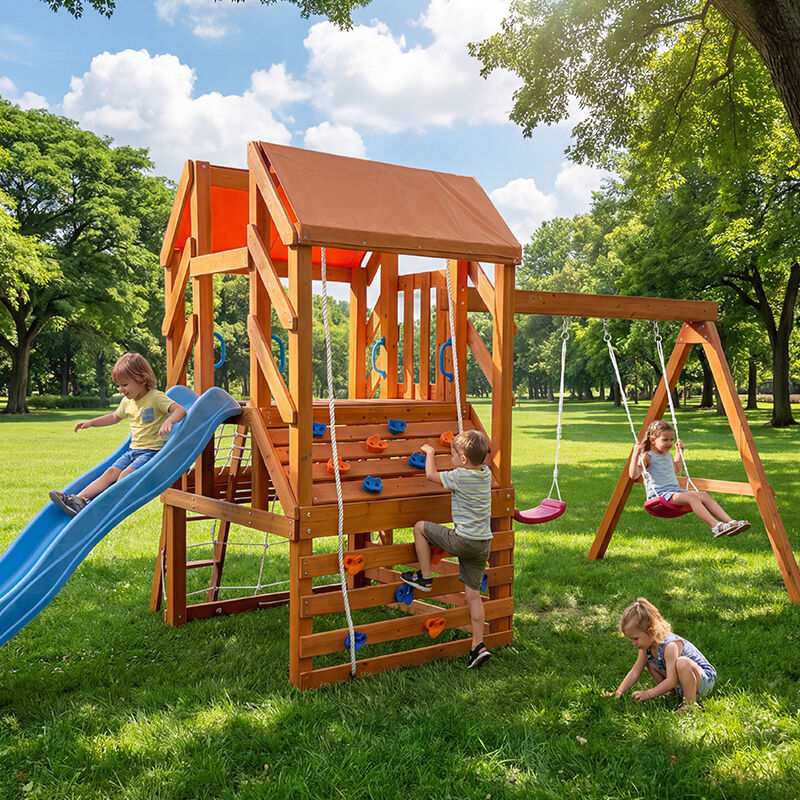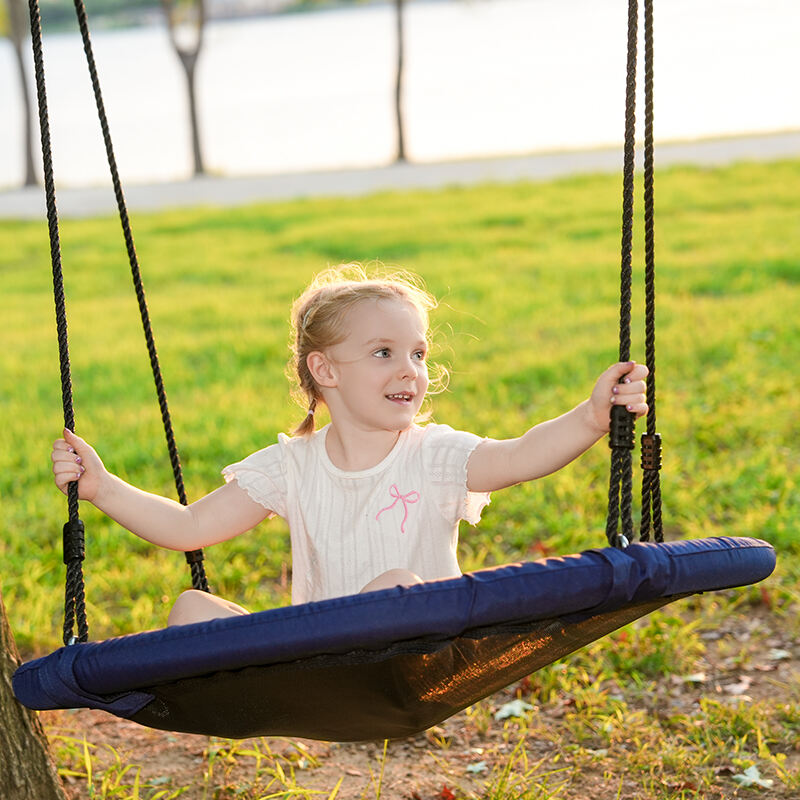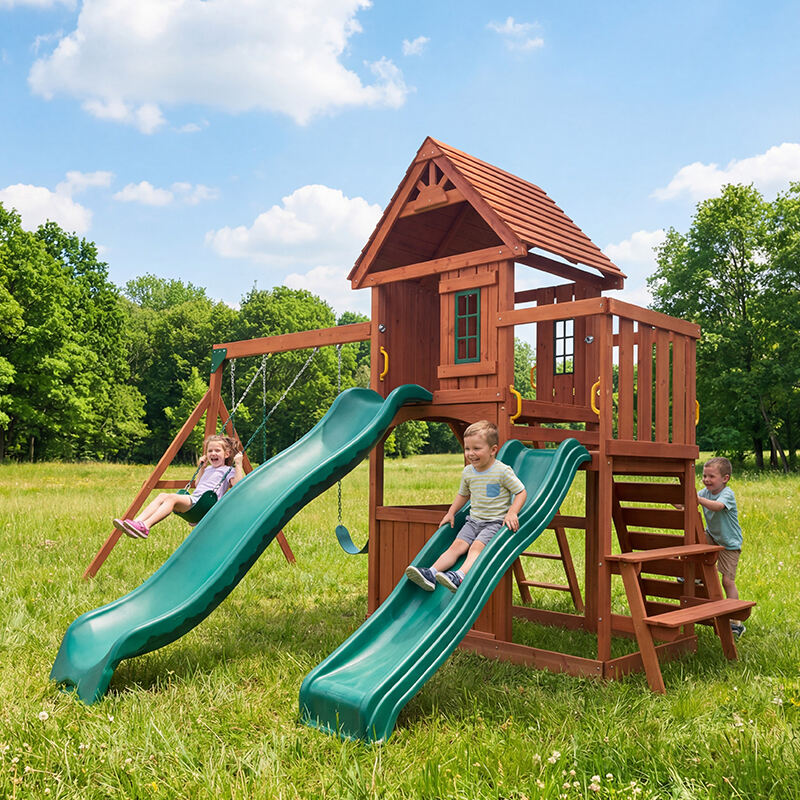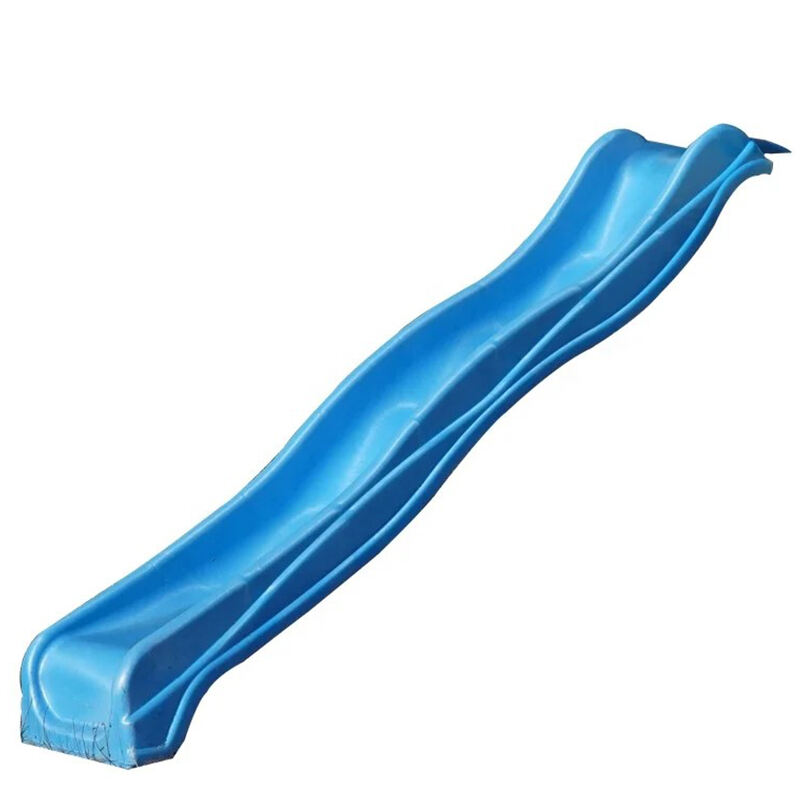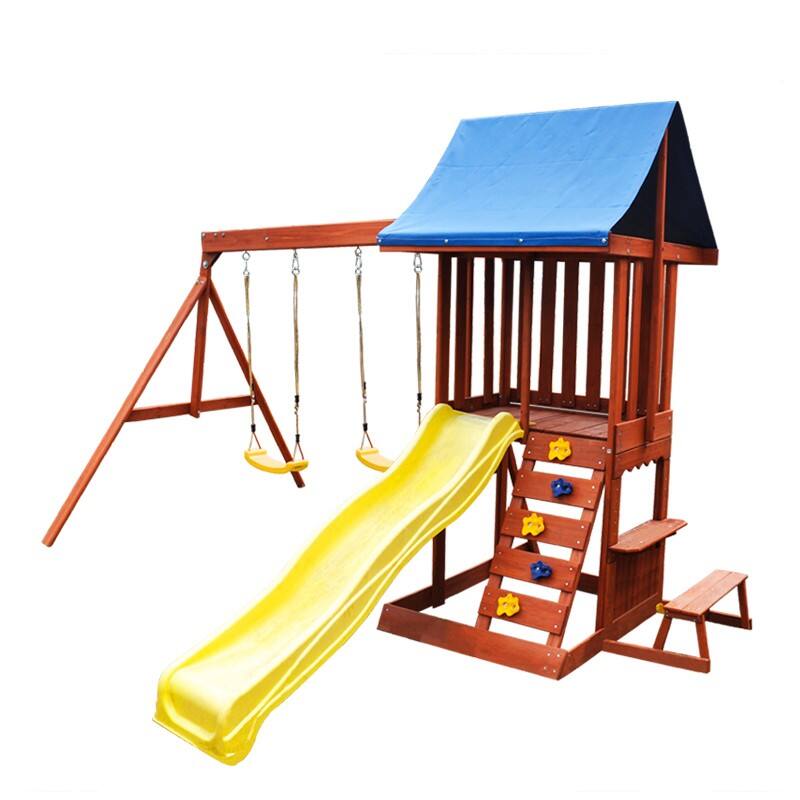
Choosing the right outdoor playground slide is not only about fun, but also about safety, durability, and long-term play value. For families, schools, and playground project planners, selecting a suitable slide requires evaluating age suitability, material quality, installation space, and compliance with safety standards. A well-designed slide can transform any backyard or playground into an active learning environment that supports physical development and social interaction.
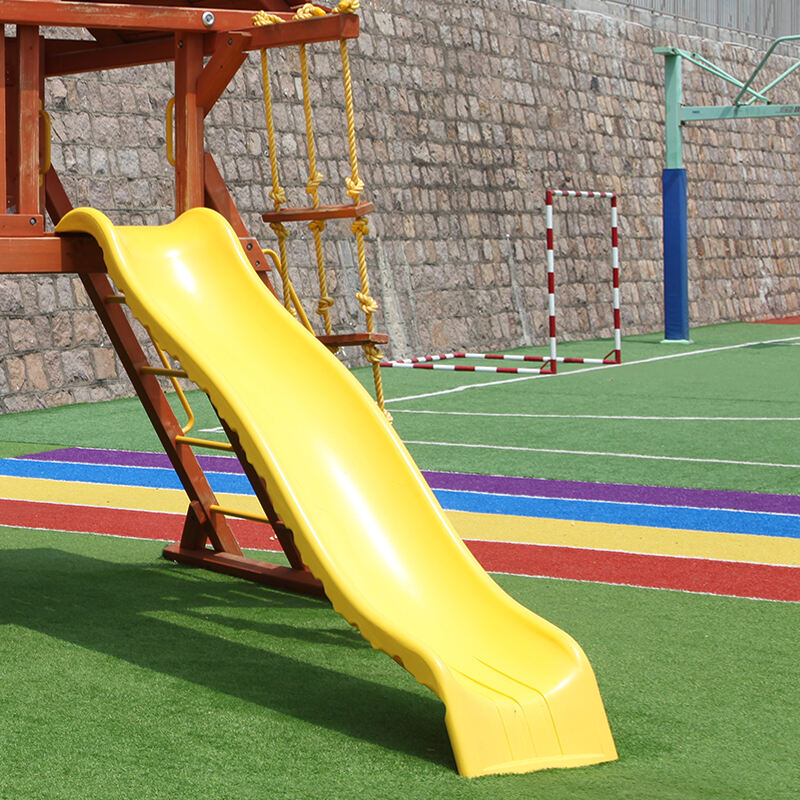
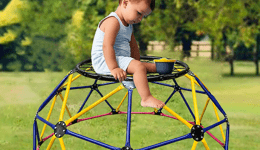
When selecting a slide for children aged 18 months to 3 years, safety takes priority over excitement. Toddlers require lower slide heights, typically between 2 and 4 feet, allowing independent climbing and sliding while minimizing fall risks. Gentle curves and shorter sliding lengths provide controlled descent speeds that match developing motor skills.
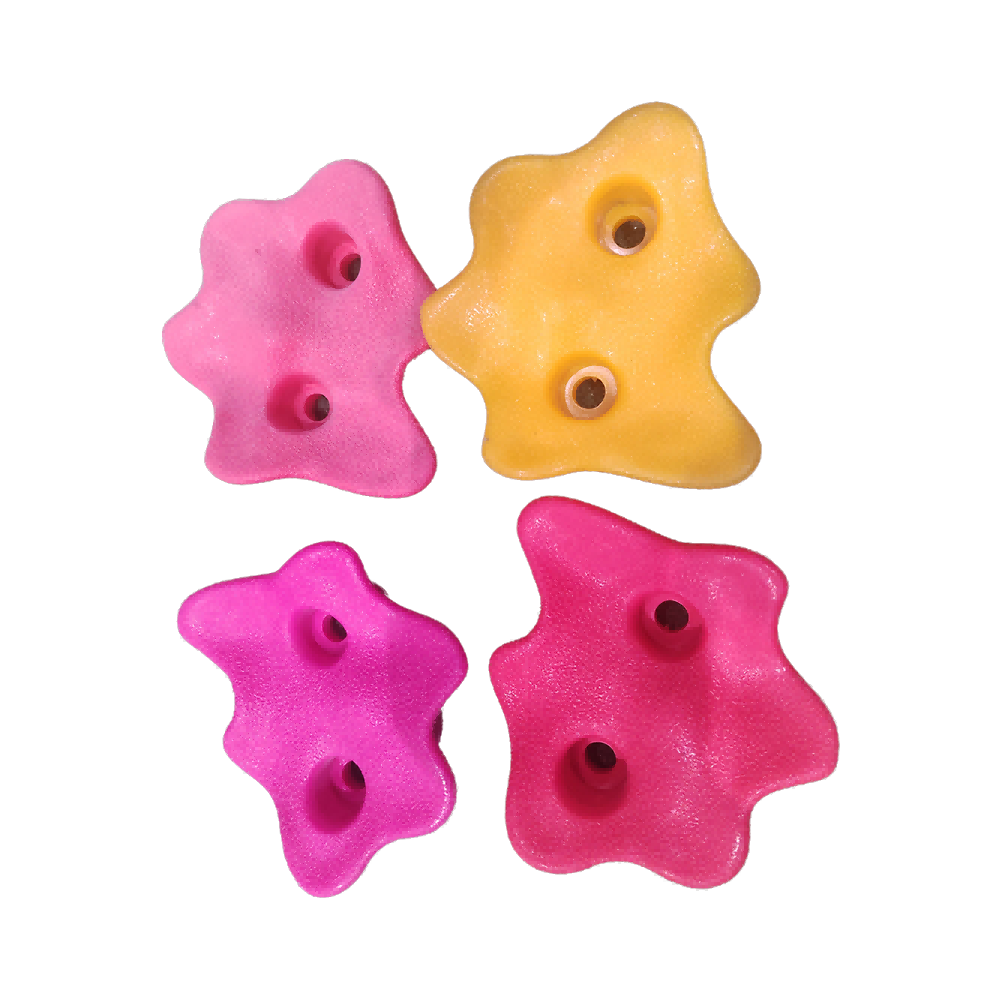
Essential safety features include high side rails, secure handholds, and wide steps with anti-slip surfaces. The climbing section should offer multiple grip points and stable footing. Slide platforms must also be designed to prevent children from standing or attempting unsafe movements at the top.
Children aged 3 to 5 years have improved coordination and confidence, allowing for more adventurous playground slide designs. Slides ranging from 4 to 6 feet in height, with slightly steeper angles and longer sliding surfaces, provide increased excitement while maintaining safety.
Combination play structures are ideal for this age group. Integrated climbing walls, tunnels, or bridges encourage creative play and problem-solving while providing varied physical challenges that keep children engaged for extended periods.
The longevity of playground slides depends heavily on material quality and construction methods. High-density polyethylene (HDPE) plastic offers excellent durability while remaining safe to touch in extreme temperatures, unlike metal surfaces that can become uncomfortably hot or cold. Quality materials resist fading, cracking, and UV degradation.
Proper drainage design prevents water accumulation that could lead to mold, mildew, or structural damage. Premium models incorporate drain holes and sloped surfaces that channel moisture away from play areas. Reinforced connection points and heavy-duty hardware prevent loosening caused by temperature fluctuations and repeated use.
Reputable manufacturers ensure that playground slides meet or exceed safety standards established by organizations such as ASTM International and the Consumer Product Safety Commission (CPSC). These certifications verify that products undergo rigorous testing for structural stability, material safety, and age-appropriate design features.
Third-party testing validates that slides can withstand specified weight limits, impact forces, and environmental stresses without compromising user safety. Quality assurance processes examine every component, from slide panels and support frames to hardware and assembly instructions. This comprehensive approach ensures that each outdoor playground slide delivers reliable performance throughout its intended service life.
Proper installation requires careful attention to surrounding space and safety zone planning. Industry guidelines recommend maintaining clear areas extending at least 6 feet from all sides of the slide structure, with additional space at the slide exit to accommodate landing and movement.
Ground surface preparation plays a critical role in safety and longevity. Impact-absorbing materials such as rubber mulch, pea gravel, or playground safety mats should extend throughout the entire safety zone. Taller structures require deeper and more advanced cushioning systems.
Stable foundation systems ensure that playground slides remain secure during active play and adverse weather conditions. Concrete footings or ground anchor systems prevent shifting, tipping, or structural failure caused by repeated use or strong winds.
Routine inspection and maintenance schedules help preserve long-term safety. Monthly checks should examine connection points, hardware tightness, and surface conditions. Seasonal maintenance includes deep cleaning, hardware lubrication, and replacement of worn components.
For schools, kindergartens, community parks, and commercial playground projects, slide selection requires additional consideration beyond home use. Equipment must meet higher durability standards, support continuous daily use, and comply with public playground safety regulations.
Modular and customizable slide systems allow designers to integrate slides into larger playground layouts, combining climbing structures, bridges, and interactive elements to create complete play environments. Working with an experienced playground equipment manufacturer ensures compliance, correct installation, and long-term performance.
Regular slide play supports multiple areas of physical development. Climbing strengthens upper body muscles and improves grip strength, while sliding enhances balance, coordination, and spatial awareness. These movements contribute to cardiovascular fitness and overall physical literacy.
Repeated climbing and sliding patterns promote endurance and muscular strength. Children naturally engage in interval-style activity, alternating between exertion and recovery, helping establish healthy exercise habits from an early age.
Slides often serve as focal points for social interaction. Children learn to take turns, share space, and cooperate during play. These experiences build communication skills, empathy, and conflict-resolution abilities.
Successfully mastering climbing and sliding builds confidence and self-esteem. The sense of accomplishment encourages children to attempt new physical challenges and supports positive emotional development.
Consistent cleaning routines address both hygiene and safety concerns. Weekly cleaning with mild soap removes dirt and debris that may create slippery surfaces or accelerate material wear. Special attention should be given to handrails, steps, and climbing areas.
Seasonal deep cleaning involves pressure washing, detailed inspections, and component maintenance. These sessions help identify potential safety issues before they become serious problems.
In regions with harsh winters, covering slides with breathable tarps prevents ice formation while allowing moisture evaporation. Some families and facilities choose to disassemble portable slides for indoor storage during extended cold periods.
Pre-winter preparation includes thorough cleaning, complete drying, and inspection of all hardware. Spring reactivation requires comprehensive safety checks before resuming play.
Toddlers aged 18 months to 3 years should use slides no taller than 4 feet. Preschoolers aged 3 to 5 years can safely enjoy slides up to 6 feet. School-age children over 5 years can handle slides between 6 and 8 feet, depending on individual ability.
Safety zones should extend at least 6 feet from all sides of the structure, with additional clearance at the slide exit. Total space requirements typically range from 15x15 feet for toddler slides to 20x25 feet or more for larger playground systems.
Weekly cleaning and monthly inspections help maintain safety and appearance. Seasonal maintenance includes deep cleaning, tightening hardware, and replacing worn components. Annual professional inspections are recommended for commercial installations.
Quality playground slides designed for outdoor use can withstand most weather conditions with proper care. However, use should be limited during extreme heat, ice, or heavy snow. Inspections after severe weather ensure continued safe operation.
Selecting the right playground slide depends on age group, installation environment, and intended usage. Whether for a private backyard or a commercial playground project, working with an experienced playground equipment manufacturer ensures safety compliance, proper installation, and long-term performance. If you are planning a new playground or upgrading existing equipment, consulting professional suppliers can help you choose the most suitable solution for your space and budget.
 Hot News
2026-02-25
2026-02-19
2026-02-13
2026-02-07
2026-02-01
2026-01-29
PAFIC PLAY is a trusted global supplier of playground sets, swing sets, and outdoor kids’ fitness equipment. We provide customized OEM & ODM playground solutions for schools, communities, and recreational spaces.
1, PAFIC DRIVE JIAOBEI INDUSTRIAL ZONE JIAOZHOU, QINGDAO, CHINA
Copyright © 2026 China Qingdao Pafic Hardware Co., Ltd. All rights reserved. Privacy Policy