
(1).jpg)
.jpg)
Years of
Experience
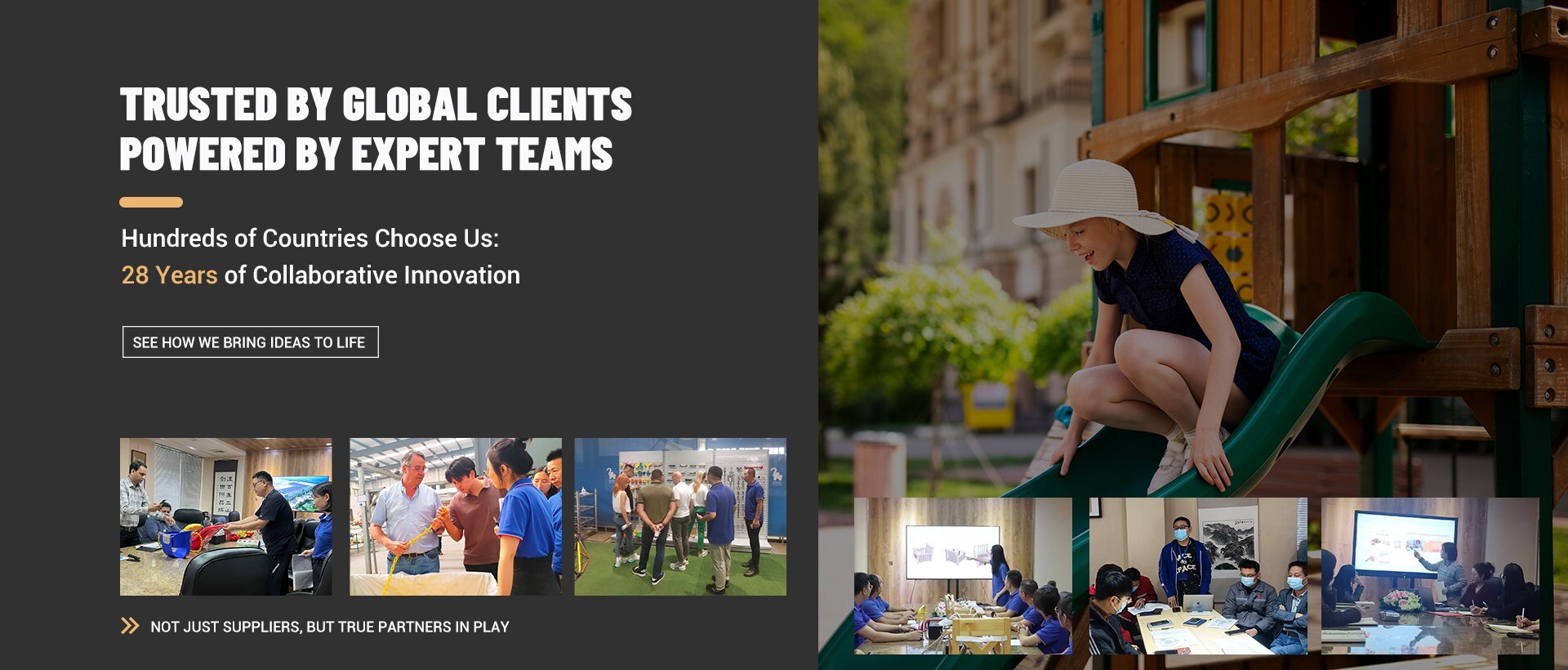
Qingdao Pafic Hardware Co., Ltd. is North China's largest and most trusted manufacturer of premium children's playground equipment, with 28 years of industry leadership since 1997. We specialize in designing and manufacturing wooden playhouses, swings, slides, and playground accessories that create safe, joyful experiences for children worldwide.
Global Manufacturing Excellence
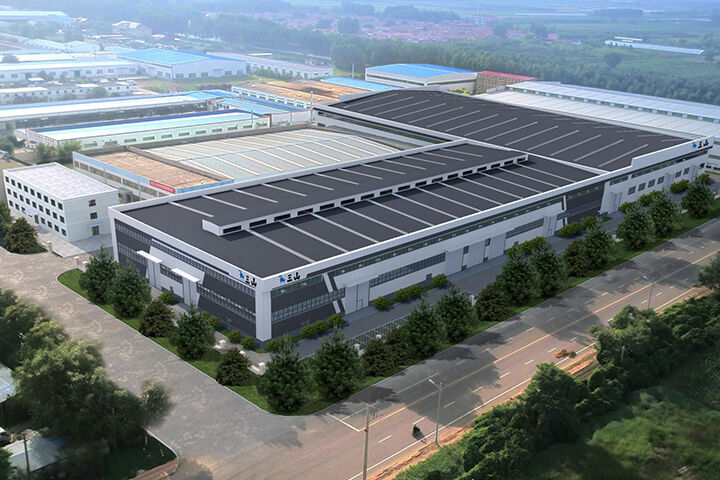
Our state-of-the-art 50,000 square meter manufacturing facility represents the pinnacle of playground equipment production in North China. This expansive operation enables us to serve Fortune 500 companies and deliver large-scale projects while maintaining the flexibility for custom OEM, ODM, and OBM partnerships.
R&D and Production Experience
R&D Team
Qualification and Certifcation
Factory Cover
We specialize in OEM, ODM, and OBM services, offering tailored solutions from product manufacturing to design and branding. Whether you need custom designs, private labeling, or full-service brand management, our expertise ensures high-quality results that align with your business goals.
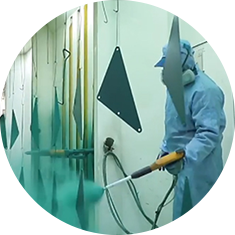

OEM services deliver tailored manufacturing solutions to produce high-quality products under your brand.
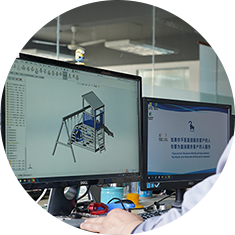

Providing custom product designs to meet your unique brand and market requirements.
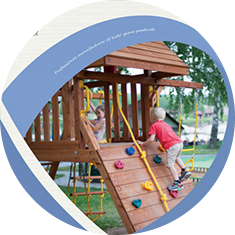

Comprehensive branding solutions from design to market, ensuring premium quality and brand recognition.
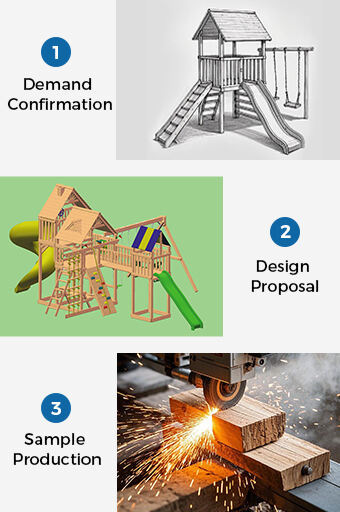
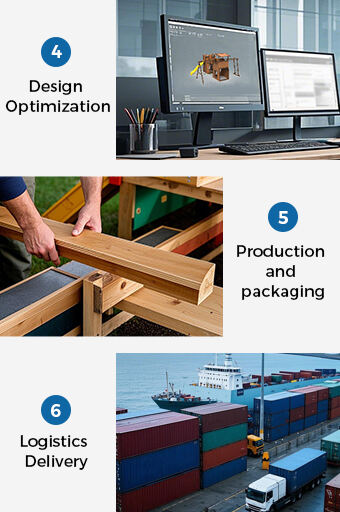
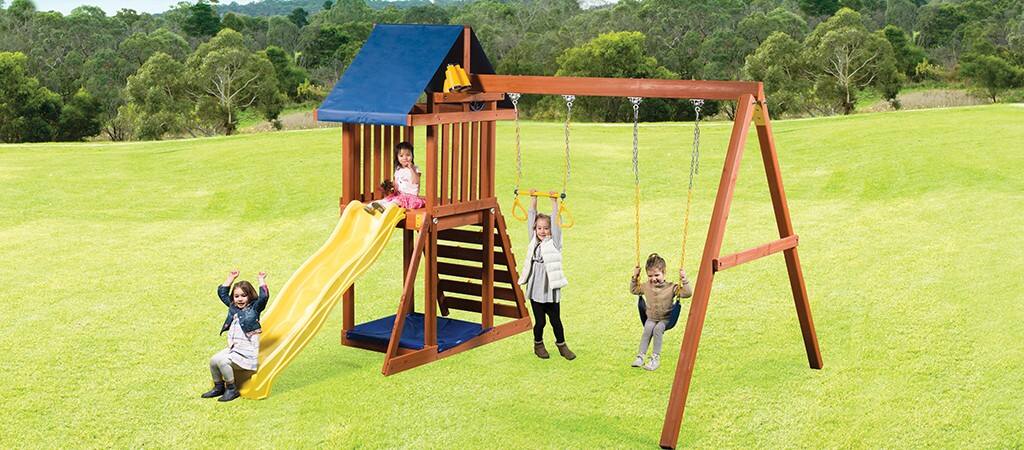

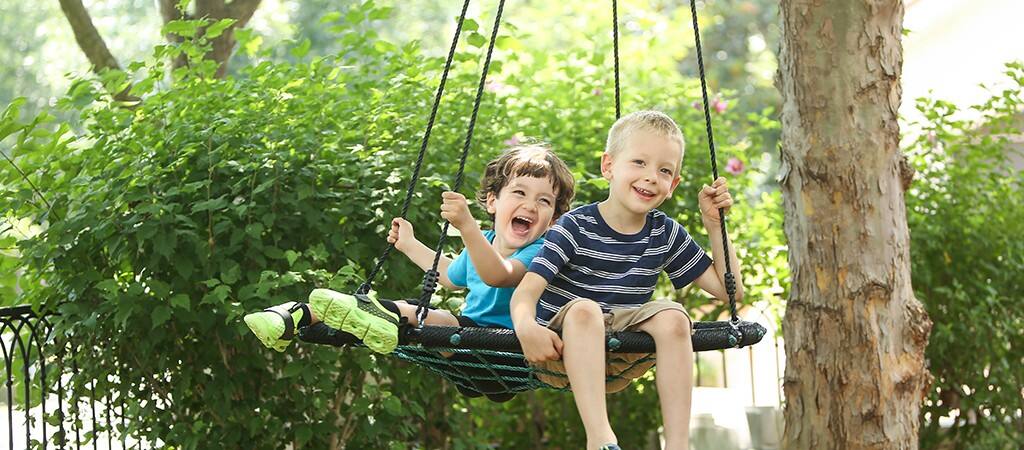

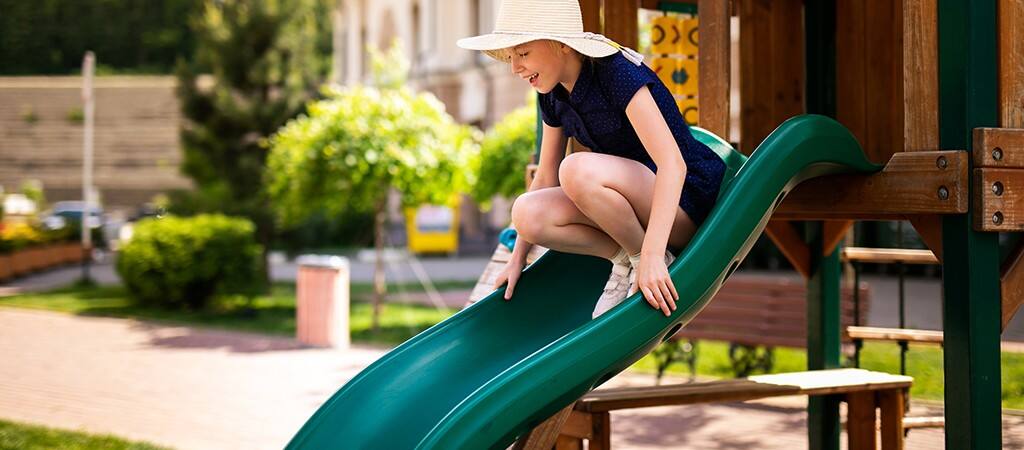

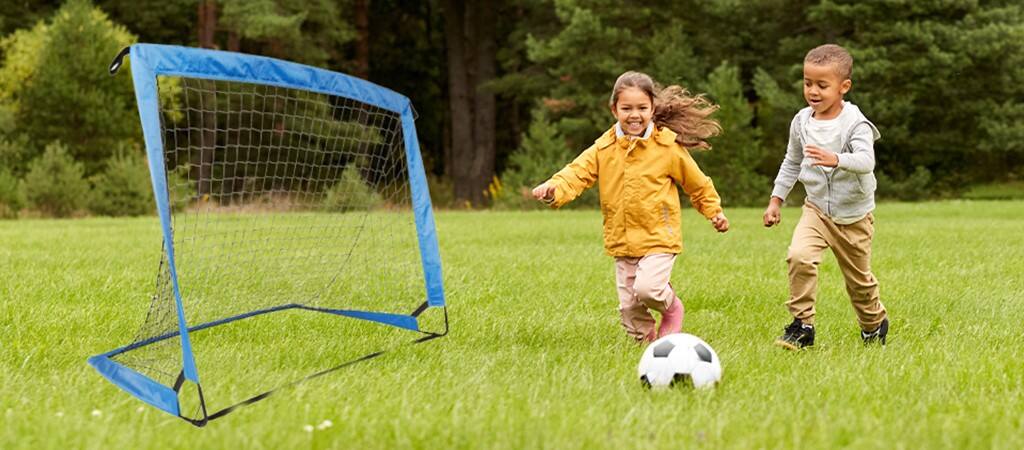

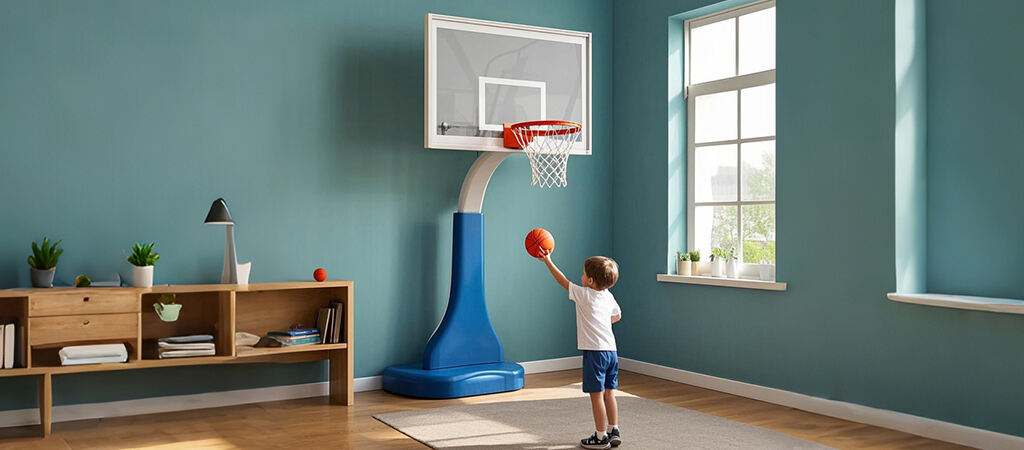

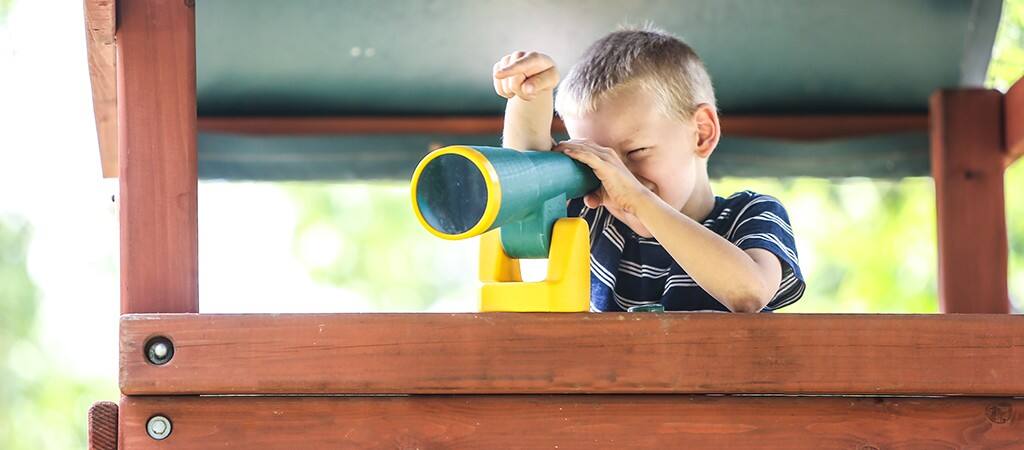

Since 1996, Qingdao Pafic Hardware Co., Ltd. has been the trusted manufacturing partner for Fortune 500 companies and renowned brands worldwide. With 28 years of specialized experience in residential playground equipment, we are North China's leading manufacturer and your ideal partner for OEM, ODM, and market expansion opportunities.

50+ active patents and 28 years of design expertise enable us to customize products to your exact specifications. From concept to production, our dedicated R&D team ensures innovative solutions that meet market demands.

50,000 sqm manufacturing facility with advanced production lines delivers consistent, high-quality output. Our skilled workforce and strict quality control guarantee precision manufacturing for orders from 100 to 10,000+ units.

Global compliance certified: ISO9001, BSCI/Sedex, Walmart approved facility. Products meet ASTM F963 (USA), EN71 (Europe), AS/NZS 8124 (Oceania) standards, ensuring worldwide market access.

National High-Tech Enterprise with 50+ patent certificates and 50+ industry honors. Our innovation leadership and technical expertise provide competitive advantages for your brand.
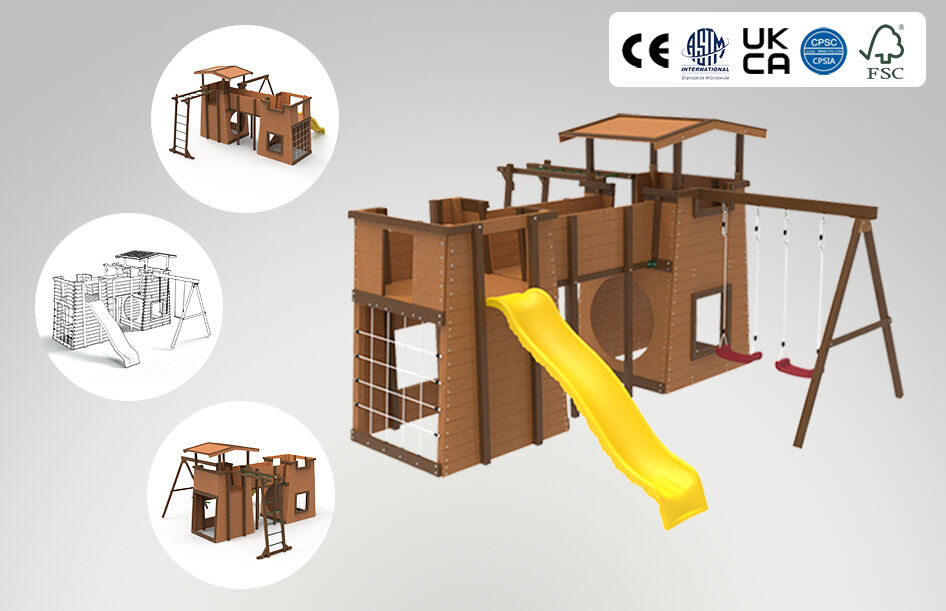
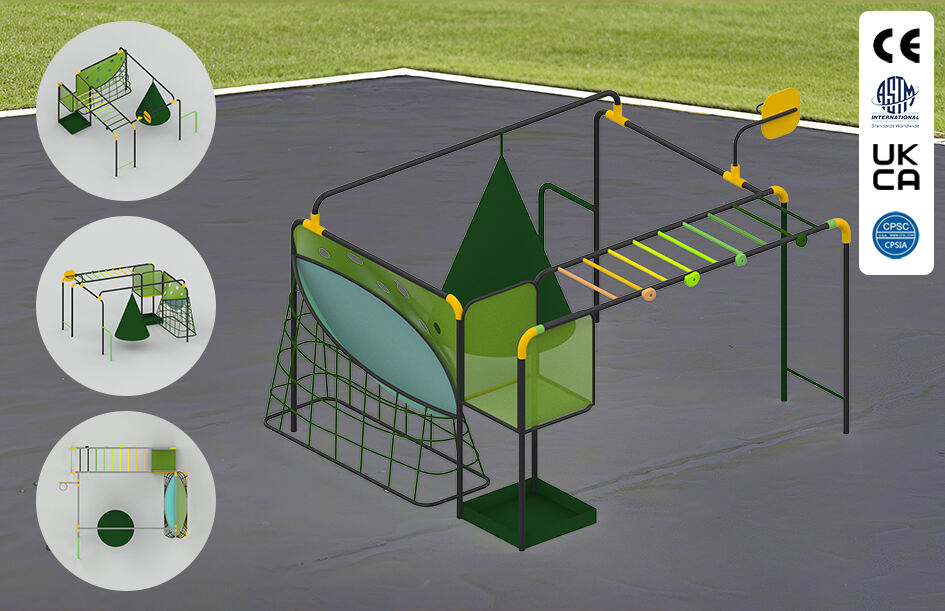
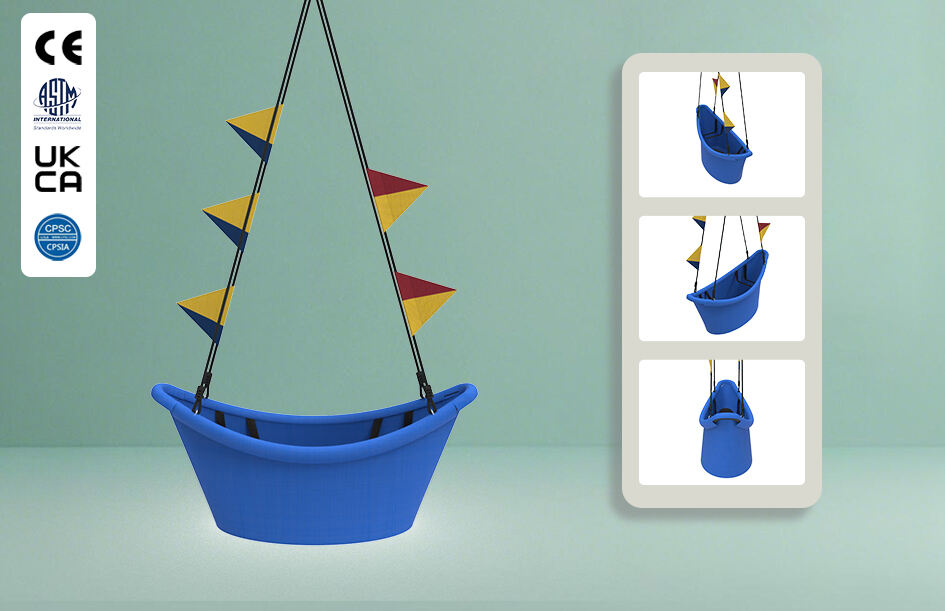

Ordering from this supplier was a good experience. They supplier was attentive and responded promptly and efficiently.

Quality: products realized with caratheristics requested Design: good design, similar to drawing Service: good service Delivery: in time

Their sales service is very good, our problems are solved for us, and we will buy back the next time.

The service was very good and the logistics were very fast. All my problems were solved in time. That's great!

I sent a message and they replied very quickly. From placing the order to delivery, they have been following up all the time. They were also very patient during the subsequent installation. A perfect experience.

Customers enjoy the swing for its fun and sturdy construction. They find it easy to assemble and immediately use it. The swing is spacious enough to hold two kids or one adult, and offers good value for money. Customers also appreciate its comfort and safety features.
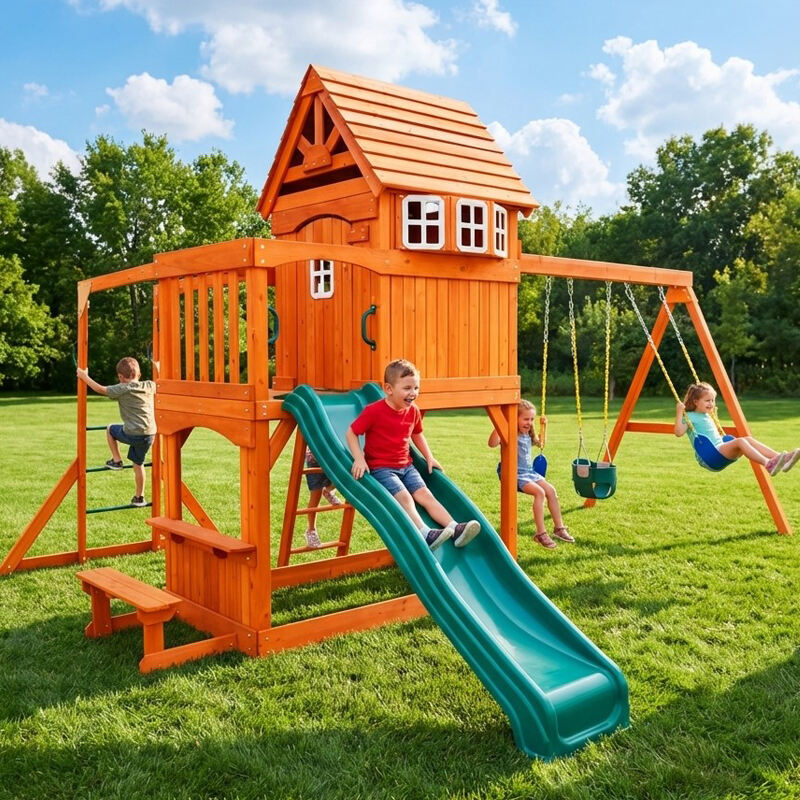
Transforming a small backyard into a fun-filled playground doesn't have to be a daunting task. With creative planning and smart design choices, even the most compact outdoor spaces can accommodate engaging outdoor backyard playsets that provide endle...
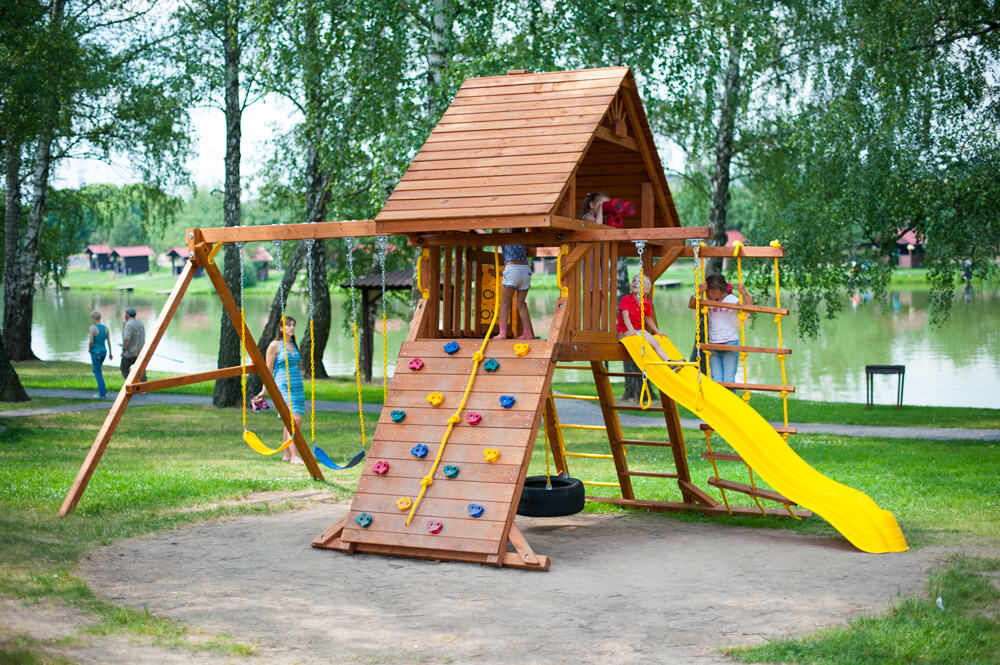
Maintaining a wooden outdoor playground requires consistent care and attention to ensure safety, longevity, and continued enjoyment for children. A well-maintained wooden outdoor playground can provide years of entertainment while retaining its struc...
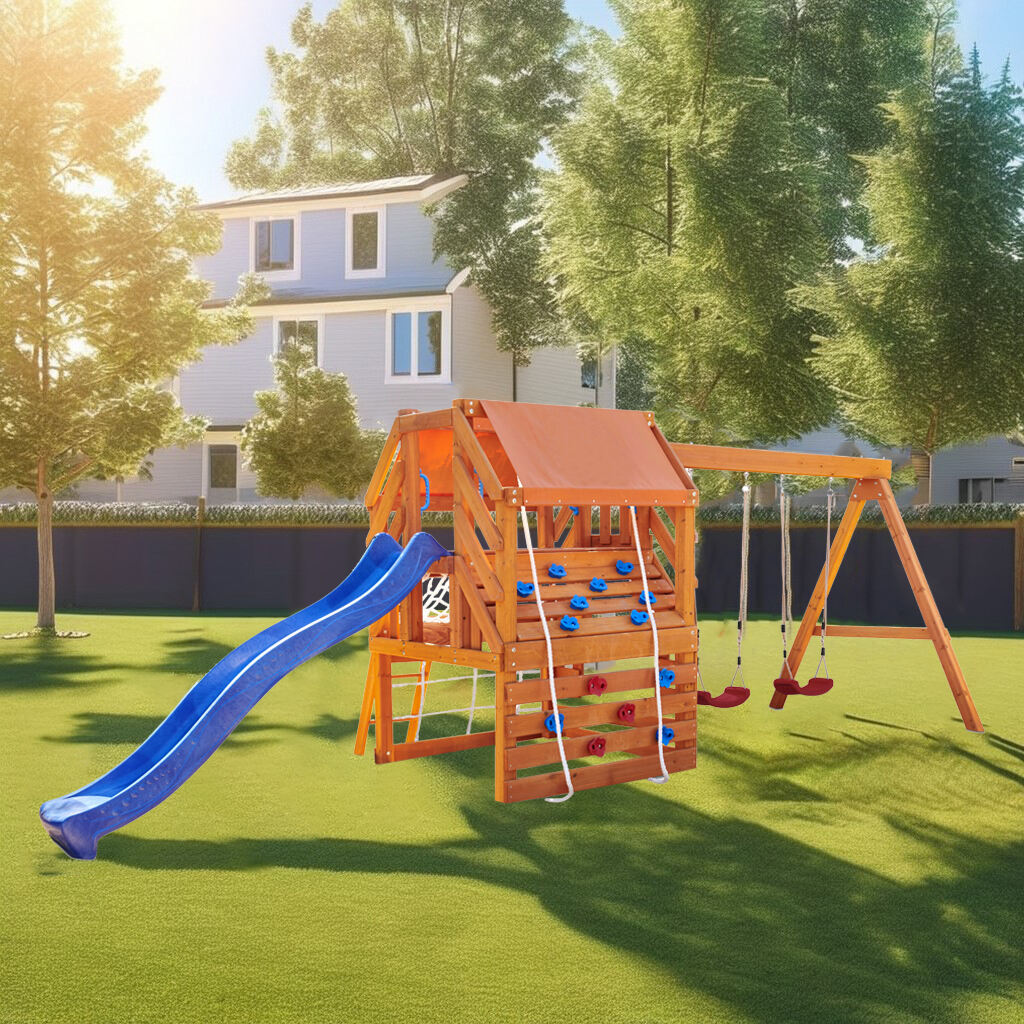
In today's digital age, encouraging children to engage in physical activity and creative play has become more challenging than ever. Parents are increasingly recognizing the importance of providing opportunities for their children to disconnect from ...
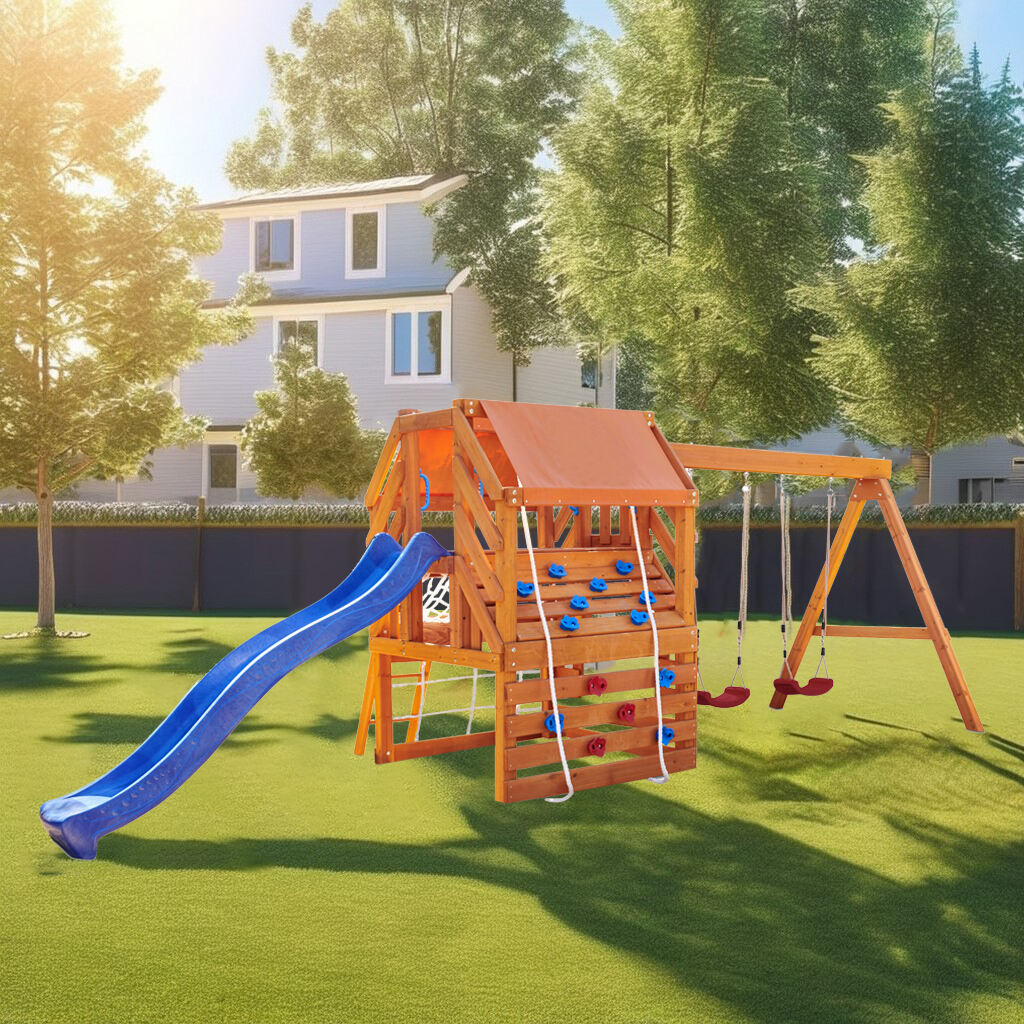
Creating an outdoor play environment that combines fun with natural elements has become increasingly important for modern families. A wooden climbing frame offers the perfect solution for parents seeking to provide their children with engaging physic...
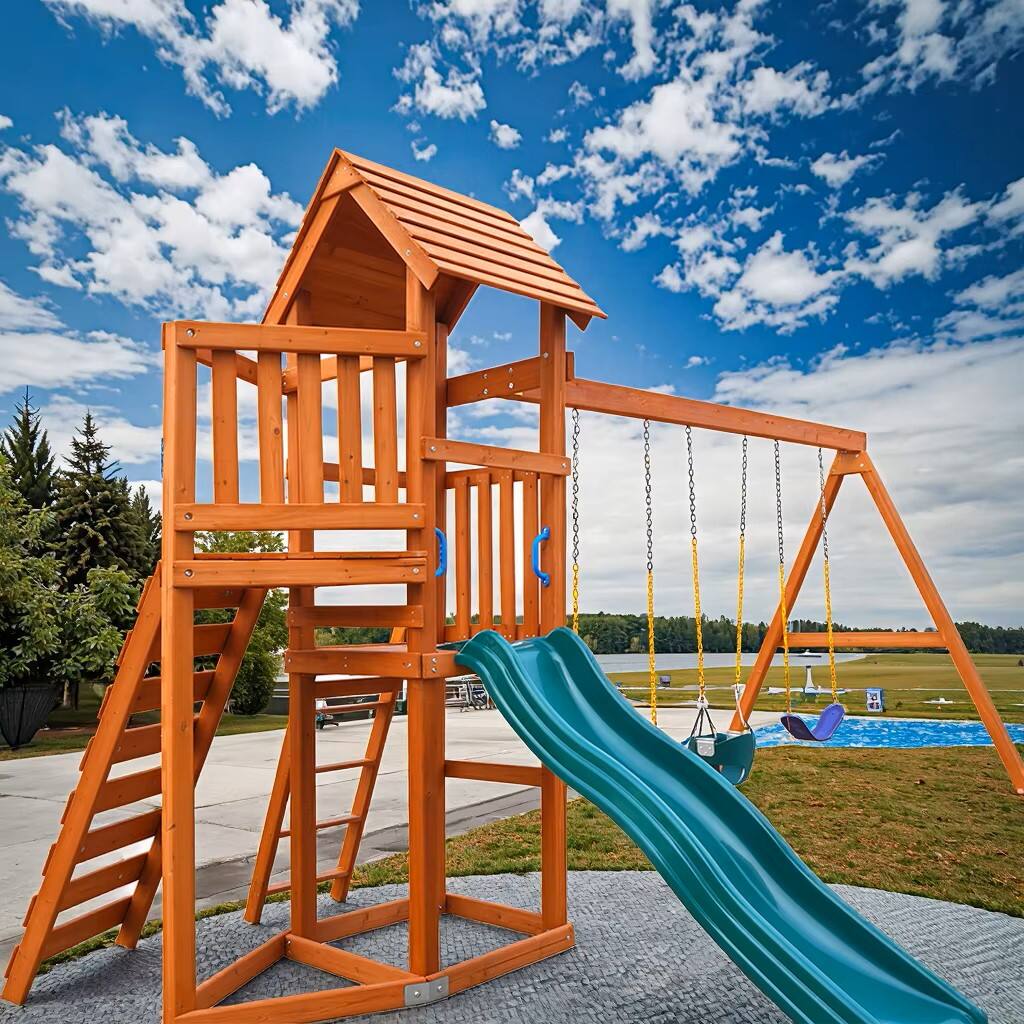
Creating a safe outdoor play environment for children requires careful consideration of many factors, especially when installing backyard playground sets. Parents who invest in these recreational structures must prioritize safety measures to ensure t...
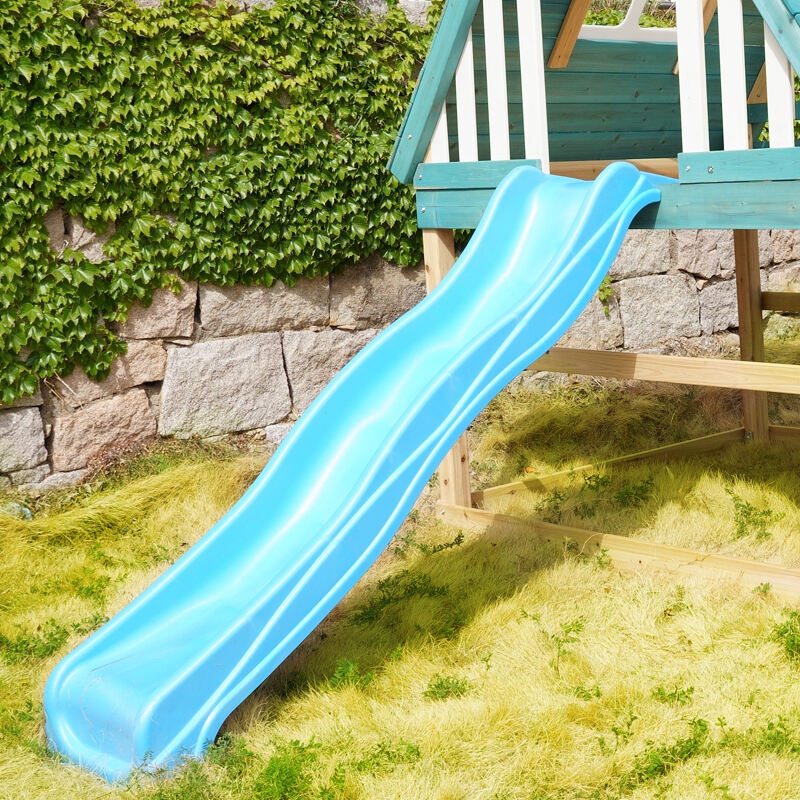
Selecting an outdoor slide for children involves far more than choosing an attractive design. Structural safety, material performance, compliance standards, and long-term durability all play decisive roles in ensuring a secure and enjoyable play envi...

PAFIC PLAY is a trusted global supplier of playground sets, swing sets, and outdoor kids’ fitness equipment. We provide customized OEM & ODM playground solutions for schools, communities, and recreational spaces.
1, PAFIC DRIVE JIAOBEI INDUSTRIAL ZONE JIAOZHOU, QINGDAO, CHINA
Copyright © 2026 China Qingdao Pafic Hardware Co., Ltd. All rights reserved. Privacy Policy