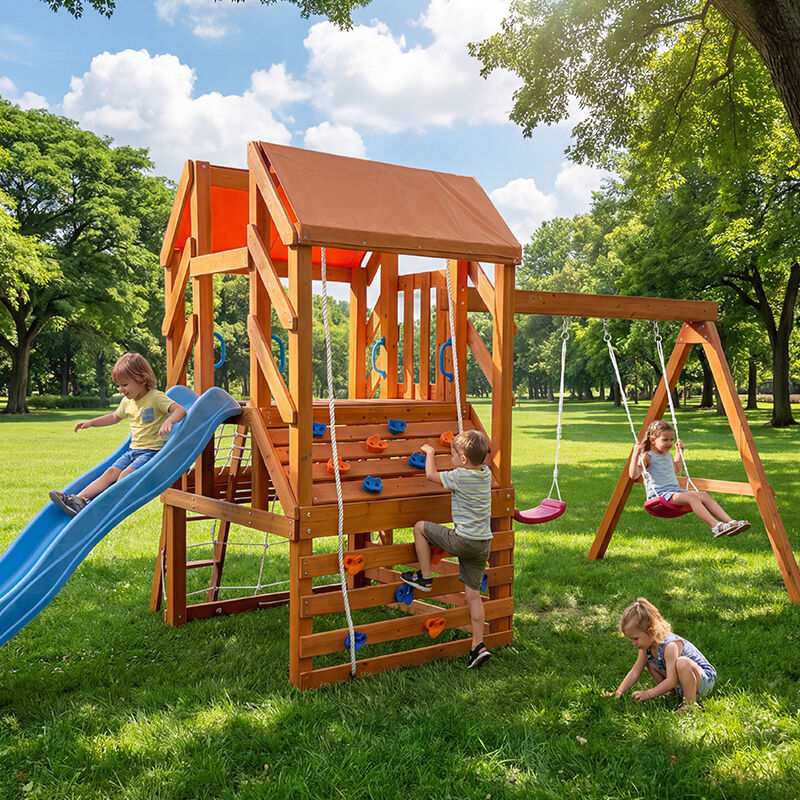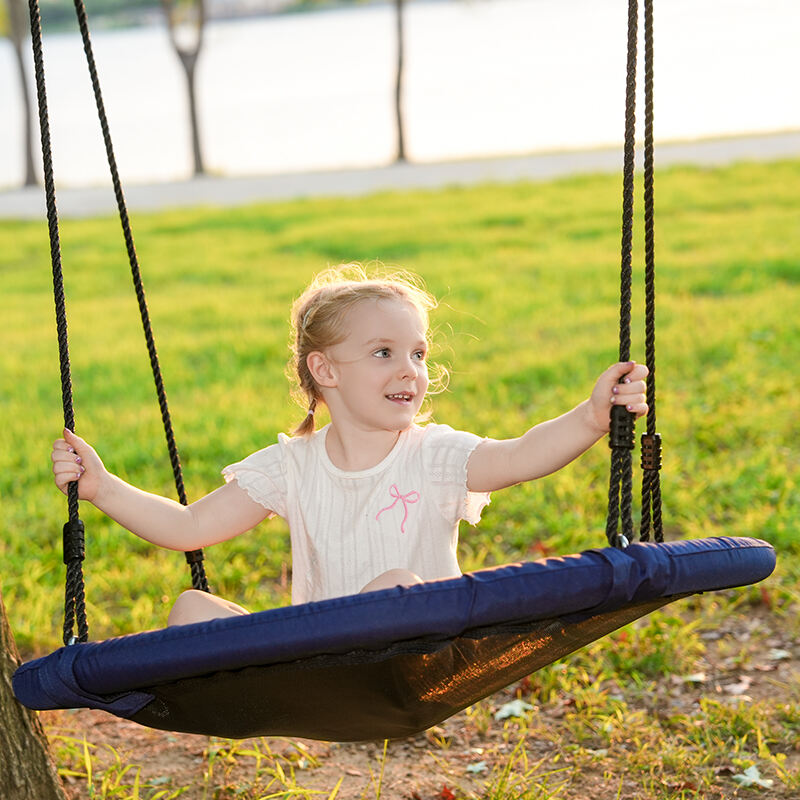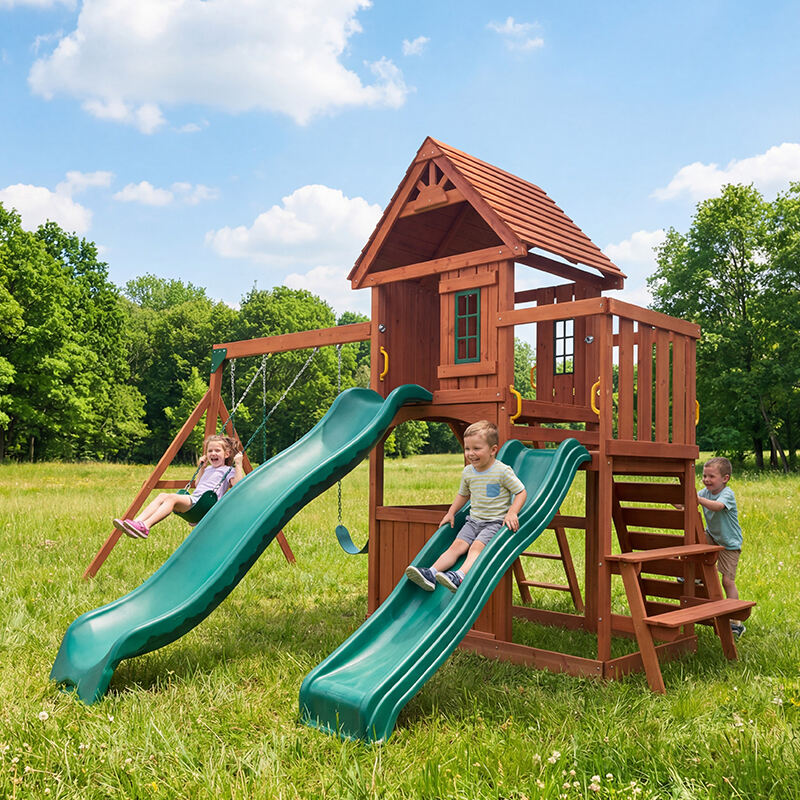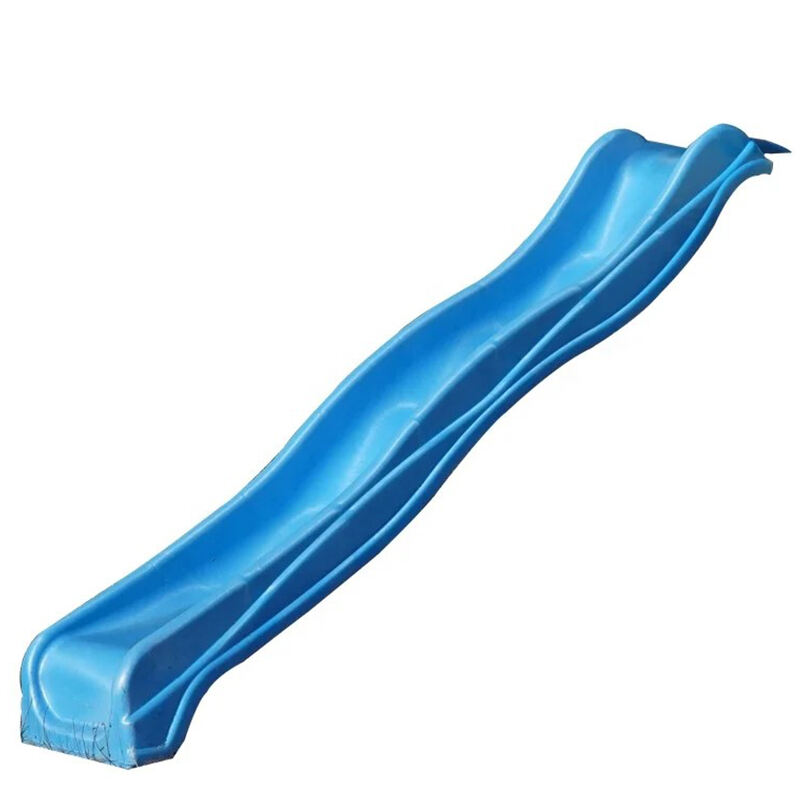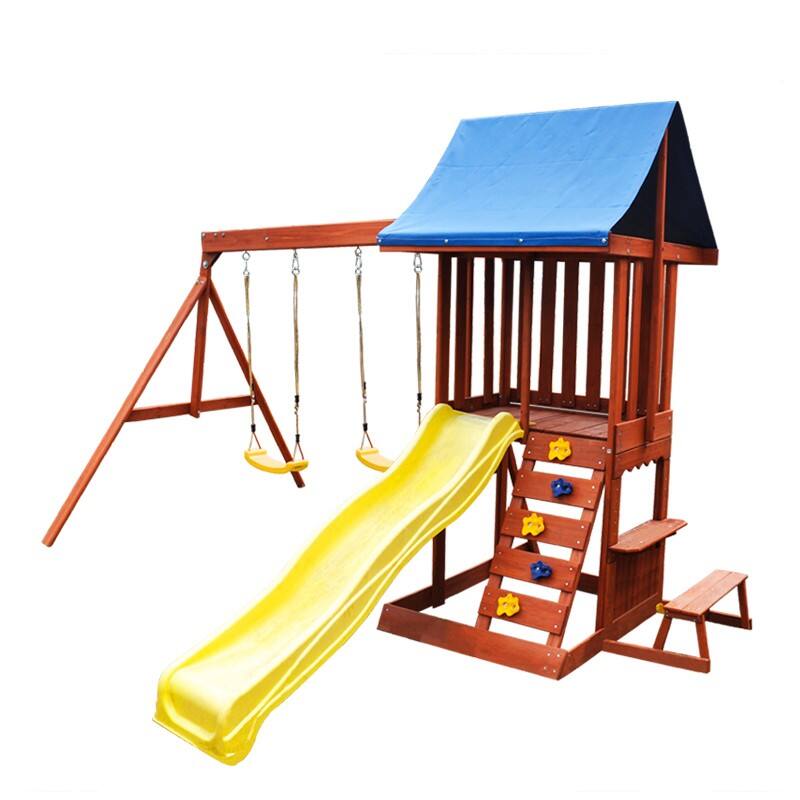
In today's digital age, encouraging physical activity among children has become more important than ever. Wall-mounted gym tools offer an excellent solution for families looking to create an engaging fitness environment at home without sacrificing valuable floor space. These versatile installations transform ordinary walls into interactive fitness zones where children can develop strength, coordination, and confidence while having fun.
Parents increasingly recognize the value of incorporating wall-mounted gym tools into their home environment. These innovative pieces of equipment not only promote regular exercise but also help children develop crucial motor skills during their formative years. With proper selection and installation, these tools can create an exciting mini gymnasium that grows with your child.
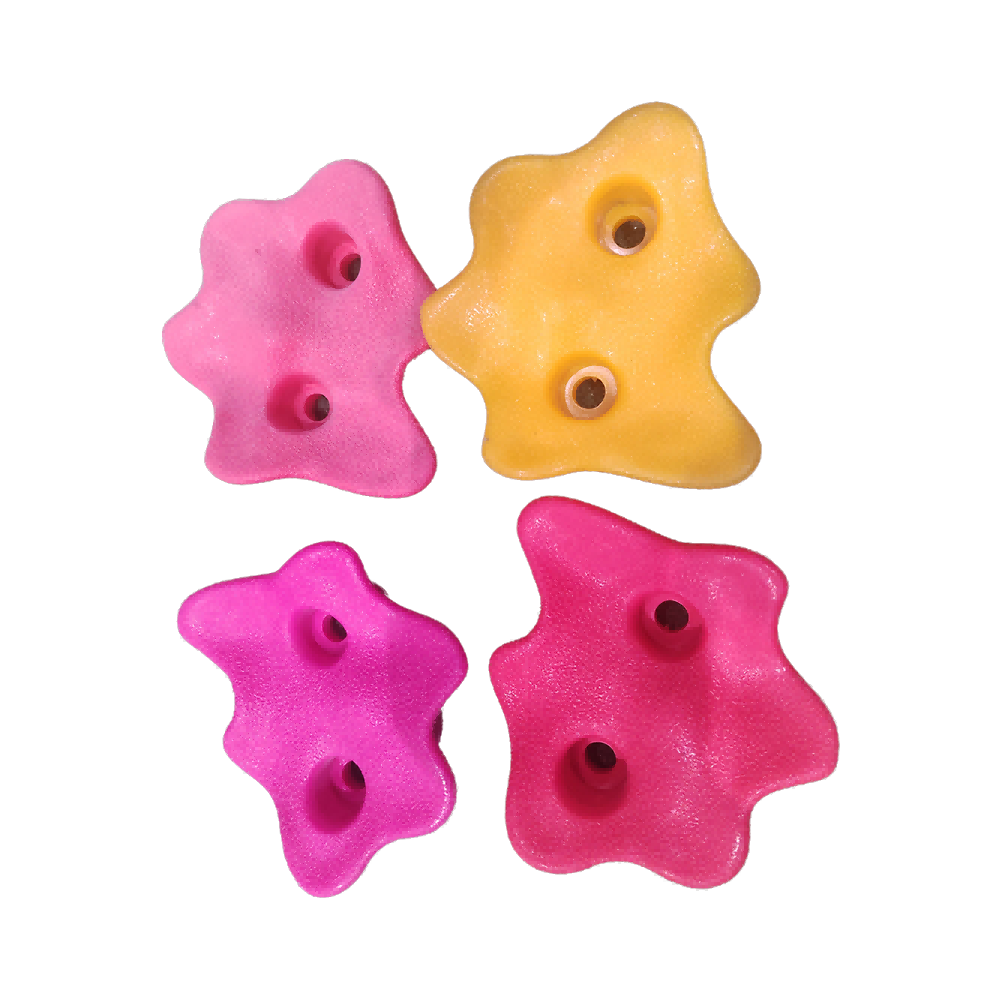
A child-sized climbing wall represents one of the most engaging wall-mounted gym tools available. These colorful installations feature various hand and foot holds that can be rearranged to create new challenges as children progress. Climbing walls help develop upper body strength, problem-solving skills, and spatial awareness while providing an exciting vertical playground.
Pegboards offer another excellent climbing option, allowing children to move horizontally as well as vertically. These adaptable wall-mounted gym tools can be customized with different peg patterns and distances, creating various difficulty levels suitable for different age groups and skill levels.
Swedish ladders, also known as wall bars, provide a classic and highly effective piece of exercise equipment. These wall-mounted gym tools feature multiple horizontal rungs that children can use for pulling up, hanging, and performing various strength-building exercises. The vertical design makes them perfect for smaller spaces while offering numerous exercise possibilities.
Wall-mounted monkey bars extend the climbing experience horizontally, helping children develop upper body strength and coordination. These can be installed at appropriate heights for different age groups and often become a favorite feature in home gyms. The traversing movement helps develop shoulder stability and grip strength while building confidence.
The safety of wall-mounted gym tools begins with proper installation. Professional mounting ensures that equipment can support active children's dynamic movements. It's essential to secure these tools directly into wall studs or use appropriate anchoring systems rated for the expected weight and force loads.
Regular inspection of mounting points and hardware helps maintain safety standards. Wall-mounted gym tools should be installed with sufficient clearance from other objects and include appropriate padding around critical areas to prevent injury during active play.
Quality padding materials protect children during their workout sessions. Impact-absorbing mats should be placed beneath climbing areas, while soft covering around metal components prevents bumps and scrapes. The surrounding wall space should also feature appropriate protective surfaces to ensure safe play.
Consider installing rubber flooring or thick exercise mats in the activity zone. These protective surfaces not only provide safety but also help define the exercise area, creating a dedicated space for physical activity within the home.
For younger children, wall-mounted gym tools should focus on basic motor skill development. Low-height climbing holds, simple ladder rungs, and balance bars positioned close to the ground provide safe exploration opportunities. Bright colors and engaging shapes help maintain interest while building fundamental movement patterns.
Equipment for this age group should emphasize stability and include plenty of support options. Handholds should be sized for small fingers, and spacing between elements should accommodate shorter reach distances.
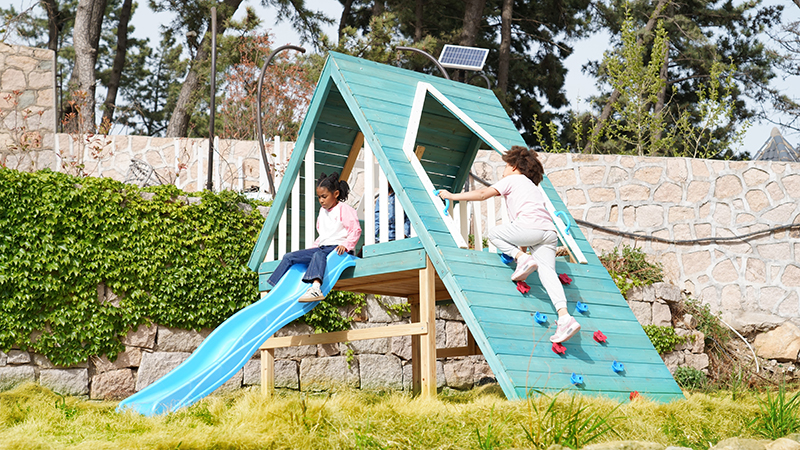
Older children benefit from more challenging wall-mounted gym tools that support advanced movements and strength development. Adjustable equipment that can be modified as skills improve helps maintain engagement and provides long-term value. More complex climbing routes, ninja-style obstacles, and strength-training attachments become appropriate at this stage.
Consider incorporating equipment that supports specific sports training or skill development relevant to your child's interests. This might include specialized grips for rock climbing practice or gymnastics-inspired accessories.
A typical installation requires at least 6-8 feet of wall width and 7-8 feet of height. However, you can start with a smaller setup and expand gradually. Remember to account for safety zones around the equipment, typically extending 3-4 feet from the wall.
Children can begin using specially designed wall-mounted gym tools as early as age 2-3 under close supervision. Start with simple, low-height equipment and progress to more challenging options as their strength and coordination develop.
Perform visual inspections before each use and conduct thorough checks of all mounting points, hardware, and wear areas monthly. Professional safety inspections are recommended annually or more frequently with heavy use.
 Hot News
2026-02-25
2026-02-19
2026-02-13
2026-02-07
2026-02-01
2026-01-29
PAFIC PLAY is a trusted global supplier of playground sets, swing sets, and outdoor kids’ fitness equipment. We provide customized OEM & ODM playground solutions for schools, communities, and recreational spaces.
1, PAFIC DRIVE JIAOBEI INDUSTRIAL ZONE JIAOZHOU, QINGDAO, CHINA
Copyright © 2026 China Qingdao Pafic Hardware Co., Ltd. All rights reserved. Privacy Policy