Pafic is approaching perfect

bring nature into your backyard the top benefits of a wooden climbing frame-3

Blog

Home >  NEWS >  Blog

Bring Nature Into Your Backyard: The Top Benefits of a Wooden Climbing Frame

Feb 07, 2026

Creating an outdoor play environment that combines fun with natural elements has become increasingly important for modern families. A wooden climbing frame offers the perfect solution for parents seeking to provide their children with engaging physical activity while maintaining an aesthetic connection to nature. These structures not only enhance your backyard's visual appeal but also deliver numerous developmental benefits that synthetic play equipment simply cannot match.

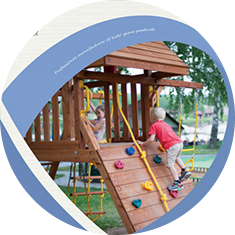
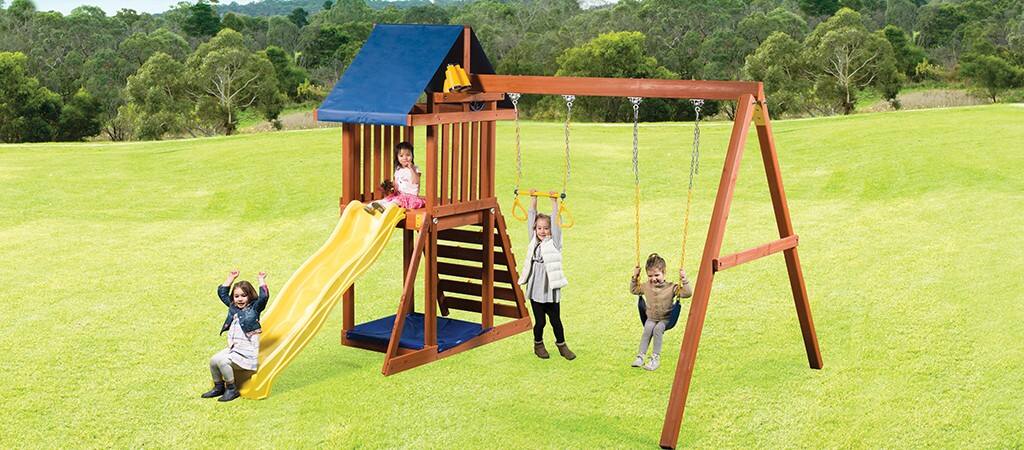
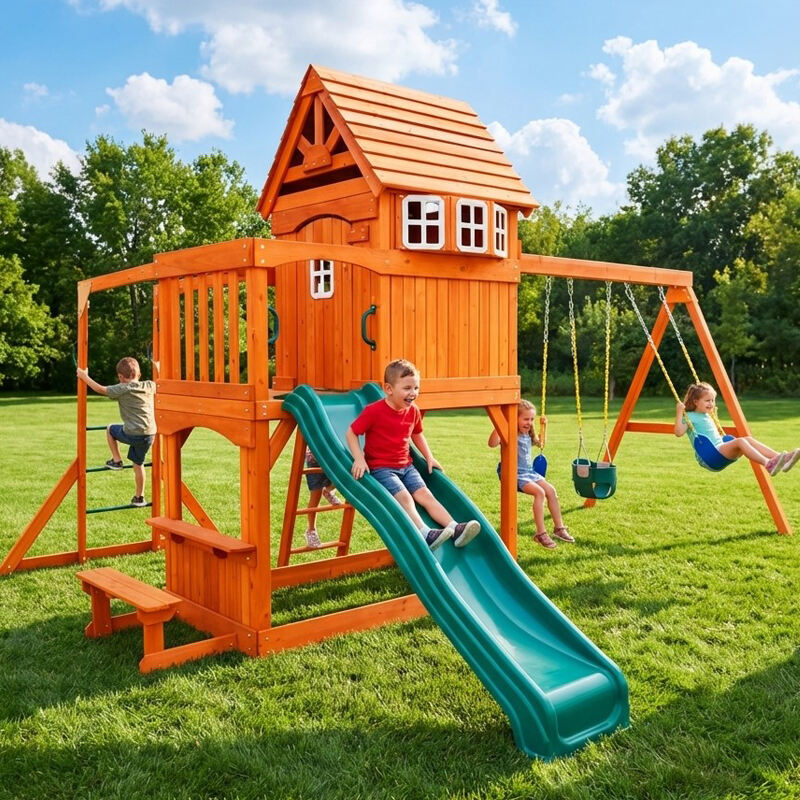
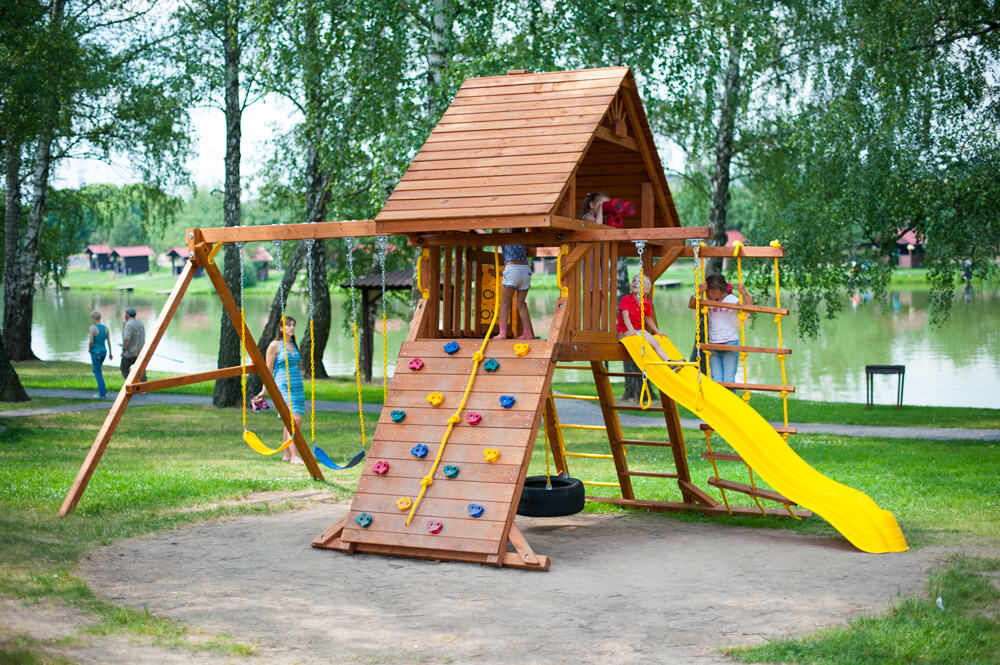
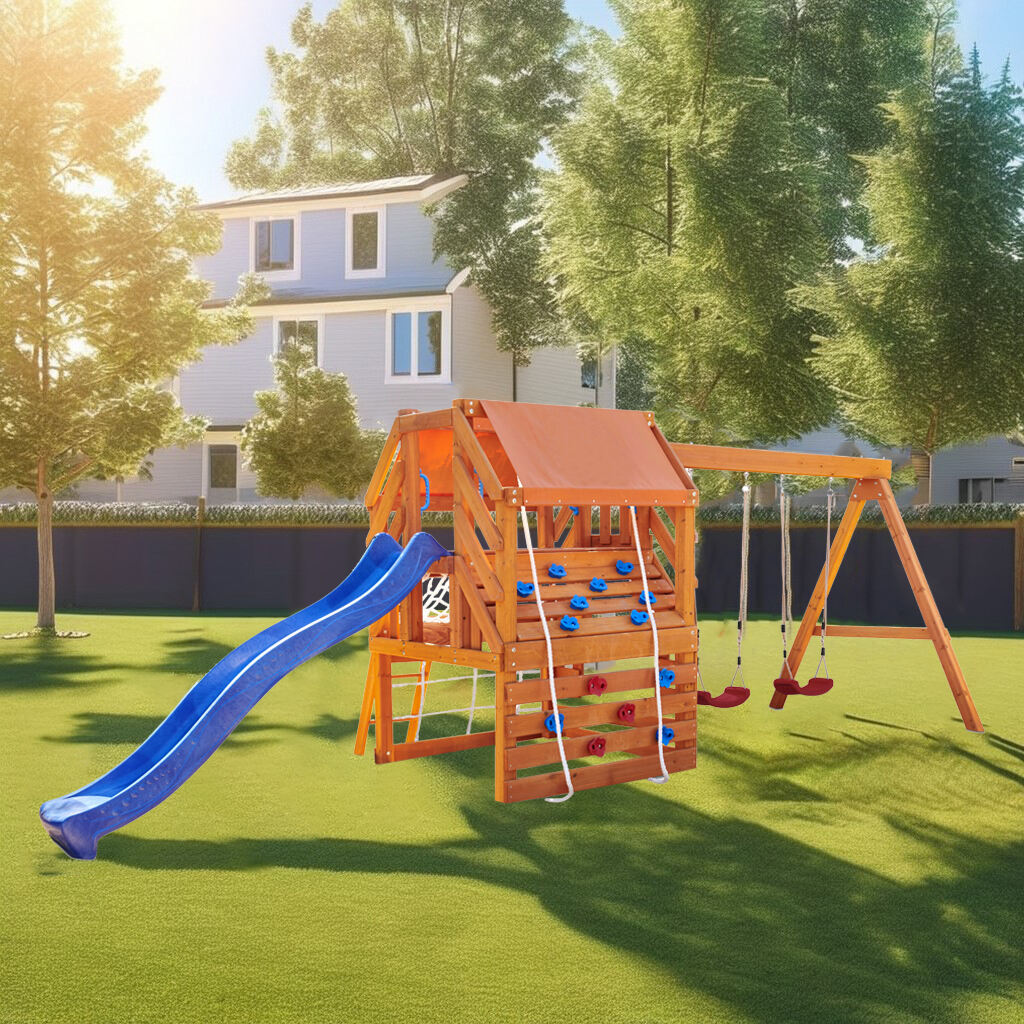
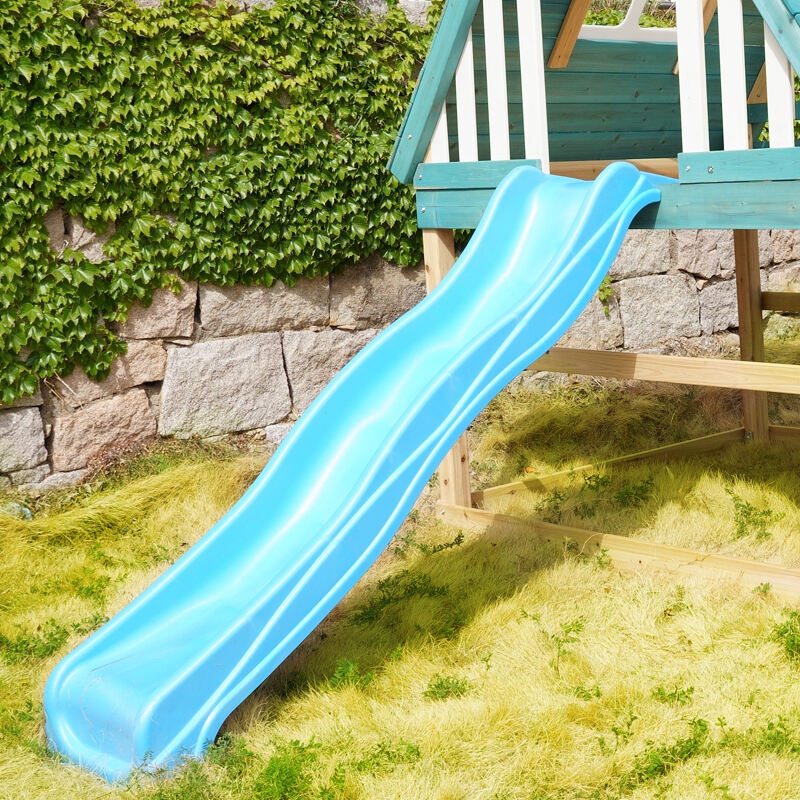
wooden climbing frame

The growing trend toward natural play environments reflects parents' understanding that outdoor activities significantly impact children's physical and mental development. Unlike plastic or metal alternatives, a wooden climbing frame seamlessly blends with garden landscapes while providing endless opportunities for creative play. This integration of natural materials creates a harmonious outdoor space that encourages children to develop a deeper connection with their environment.

Physical Development Advantages

Enhanced Motor Skills Development

Children who regularly use a wooden climbing frame experience remarkable improvements in their gross and fine motor skills. The varied textures and surfaces of natural wood provide sensory feedback that helps develop proprioception and spatial awareness. As children navigate different climbing challenges, they learn to coordinate their movements, balance their weight distribution, and develop the muscle memory necessary for complex physical activities.

The organic nature of wood grain and surface variations challenges young muscles in ways that smooth, manufactured surfaces cannot replicate. Each climbing session becomes a unique experience as children adapt to subtle changes in grip requirements and footing positions. This constant adaptation strengthens neural pathways and improves overall coordination skills that benefit children throughout their lives.

Strength Building and Cardiovascular Health

Regular climbing activities on a wooden climbing frame provide comprehensive strength training for growing bodies. Upper body strength develops as children pull themselves up various heights, while core muscles strengthen through the constant need for balance and stability. Leg muscles gain power and endurance as young climbers push themselves upward and navigate different climbing angles.

The cardiovascular benefits of active climbing cannot be overstated. Children naturally engage in interval training as they alternate between intense climbing efforts and rest periods. This pattern of activity helps develop heart health, improves lung capacity, and establishes healthy exercise habits from an early age. The engaging nature of climbing makes this exercise feel like play rather than structured fitness activity.

Cognitive and Mental Health Benefits

Problem-Solving Skills Enhancement

Every wooden climbing frame presents unique challenges that require children to think strategically about their approach. Young climbers must assess different routes, evaluate their physical capabilities, and make decisions about the best path forward. These problem-solving exercises strengthen critical thinking skills and encourage children to approach challenges with confidence and creativity.

The three-dimensional nature of climbing activities engages spatial reasoning abilities in ways that flat playground equipment cannot match. Children learn to visualize movement patterns, understand cause and effect relationships, and develop planning skills as they navigate increasingly complex climbing routes. These cognitive benefits extend beyond play time and contribute to improved academic performance in mathematics and science subjects.

Confidence Building and Risk Assessment

A well-designed wooden climbing frame provides graduated challenges that allow children to build confidence progressively. Starting with easier climbing elements and advancing to more challenging features helps young people develop realistic risk assessment skills. This natural progression teaches children to evaluate their abilities honestly and take appropriate risks while maintaining safety awareness.

The sense of accomplishment that comes from mastering new climbing challenges builds self-esteem and resilience. Children learn that persistence and practice lead to improvement, fostering a growth mindset that benefits all areas of their development. The physical nature of these achievements creates lasting memories and strong associations between effort and success.

Environmental and Aesthetic Advantages

Natural Material Benefits

Choosing a wooden climbing frame over synthetic alternatives demonstrates environmental responsibility while providing superior durability and weather resistance. High-quality wood materials age gracefully, developing character and charm that enhance rather than detract from garden aesthetics. The natural antimicrobial properties of certain wood species help maintain cleaner play surfaces without chemical treatments.

Wood's natural insulation properties make climbing surfaces more comfortable across different weather conditions. Unlike metal equipment that becomes scorching hot in summer sun or freezing cold in winter, wood maintains more moderate surface temperatures throughout the year. This temperature regulation extends the usable seasons and provides more comfortable play experiences regardless of weather conditions.

Garden Integration and Landscape Harmony

The organic appearance of a wooden climbing frame complements existing landscaping elements and garden features seamlessly. Natural wood tones blend with plant colors and textures, creating cohesive outdoor spaces that feel intentionally designed rather than cluttered with mismatched play equipment. This aesthetic integration maintains property values while providing functional play opportunities.

Many families discover that wooden play structures actually enhance their garden's visual appeal by adding vertical interest and natural focal points. The climbing frame becomes part of the landscape design rather than an intrusive element that detracts from overall garden beauty. This integration allows families to maintain sophisticated outdoor aesthetics while meeting children's play needs.

Social Development Opportunities

Cooperative Play and Communication Skills

Wooden climbing frames naturally encourage group play activities that develop social skills and communication abilities. Children must negotiate shared space usage, take turns on popular features, and often collaborate to overcome challenging climbing obstacles. These interactions teach valuable lessons about cooperation, patience, and mutual support that benefit relationships throughout life.

The varied levels and features of a well-designed wooden climbing frame accommodate children of different ages and abilities simultaneously. Older children often naturally mentor younger siblings or friends, developing leadership skills and empathy. This multi-generational play environment creates opportunities for skill sharing and relationship building that structured indoor activities rarely provide.

Imaginative Play and Creativity

The natural, unstructured design of many wooden climbing frames stimulates imaginative play scenarios that plastic equipment cannot match. Children transform climbing structures into castles, spaceships, mountain ranges, or whatever their creativity envisions. This open-ended play encourages storytelling abilities, creative thinking, and the development of rich inner worlds that support healthy emotional development.

The tactile qualities of natural wood surfaces engage multiple senses during play activities. Children can feel bark textures, notice wood grain patterns, and experience the natural variations that make each climbing session unique. These sensory experiences contribute to neurological development and help children develop appreciation for natural materials and environments.

Long-Term Investment Value

Durability and Maintenance Considerations

Quality wooden climbing frames represent excellent long-term investments that can serve multiple generations of children. Properly treated and maintained wood structures withstand weather extremes better than many synthetic alternatives while developing attractive patina over time. Regular maintenance involves simple cleaning and occasional protective treatments that preserve structural integrity for decades.

The modular nature of many wooden climbing frame designs allows for expansion and modification as children grow and interests change. Additional elements can be integrated into existing structures, extending their useful life and maintaining engagement for developing children. This adaptability provides better value than purchasing entirely new equipment as children outgrow simpler play structures.

Property Value Enhancement

Well-designed wooden play structures often increase property values by creating attractive outdoor living spaces that appeal to families. Real estate professionals recognize that quality outdoor amenities, particularly those that blend with natural landscaping, contribute positively to home marketability. The permanent nature of these installations makes them valuable property improvements rather than temporary play solutions.

The aesthetic appeal of natural wood construction ensures that climbing frames remain visually pleasing even when not actively used for play. Unlike brightly colored plastic equipment that can look outdated or intrusive, wooden structures maintain classic appeal that transcends changing design trends. This timeless aesthetic protects the investment value while providing ongoing functional benefits.

Safety Features and Design Considerations

Natural Safety Advantages

Wooden climbing frames offer inherent safety advantages through their natural grip properties and shock-absorbing characteristics. Wood surfaces provide better traction than smooth synthetic materials, reducing slip hazards during both dry and wet conditions. The natural flexibility of wood construction helps absorb impact forces, creating safer landing experiences when children jump or fall from moderate heights.

The organic irregularities in wood surfaces actually contribute to safety by requiring children to pay closer attention to hand and foot placement. This heightened awareness develops better climbing techniques and reduces the likelihood of accidents caused by overconfidence or inattention. The natural feedback provided by wood textures helps children develop intuitive safety awareness through sensory input.

Age-Appropriate Design Elements

Professional wooden climbing frame designs incorporate age-appropriate challenge levels that grow with children's developing abilities. Lower platforms and easier climbing routes accommodate younger children, while more challenging elements engage older kids and teenagers. This graduated approach ensures that the structure remains relevant and engaging throughout children's developmental years.

Safety standards for wooden play equipment have evolved to address potential hazards while maintaining the natural benefits that make these structures attractive. Modern designs eliminate sharp edges, ensure appropriate spacing between elements, and incorporate safety features that protect children without compromising the authentic climbing experience that promotes skill development.

FAQ

How long does a wooden climbing frame typically last?

A well-constructed wooden climbing frame made from quality materials can last 15-25 years with proper maintenance. Cedar, teak, and pressure-treated pine varieties offer exceptional longevity when protected with appropriate sealers and inspected regularly. The natural durability of these materials, combined with simple maintenance routines, ensures decades of safe play experiences for multiple generations of children.

What maintenance is required for outdoor wooden play equipment?

Wooden climbing frames require annual cleaning with mild soap solutions and periodic application of wood preservatives or sealers every 2-3 years. Regular inspection for loose hardware, splinters, or wear patterns helps identify maintenance needs before they become safety concerns. Most maintenance tasks can be completed by homeowners using basic tools and readily available wood care products.

Are wooden climbing frames safe for year-round outdoor use?

Quality wooden climbing frames are designed for year-round outdoor exposure and actually perform better than many synthetic alternatives in extreme weather conditions. Wood's natural insulation properties prevent dangerous temperature extremes, while proper drainage design prevents water accumulation that could lead to structural problems. Seasonal safety inspections ensure continued safe operation throughout changing weather patterns.

How do I choose the right size wooden climbing frame for my yard?

Consider both current and future space needs when selecting a wooden climbing frame size. Allow adequate safety clearance around all sides of the structure, typically 6-8 feet minimum. Factor in your children's ages, anticipated usage patterns, and potential for expansion or modification. Professional installers can assess your specific space and recommend appropriately sized structures that maximize play value while maintaining safety requirements.

Get a Free Quote

Our representative will contact you soon.
Email
Mobile/WhatsApp
Intended Products
Name
Company Name
Message
0/1000